

Working in the SE U.S. to guide longleaf restoration, stewardship, and conservation using science-based outreach, partnership, and on-the-ground assistance.
- Tweets175
- Following393
- Followers474
- Likes136

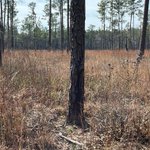






ALT Longleaf pine pollen by John Winder: https://www.flickr.com/photos/83833206@N00/42094013401/in/photolist-278GPDK


ALT Herbert Hodges stands in front of young longleaf pine trees and next to a gopher tortoise hole. Photo by NRCS Georgia.

ALT Conservation partners with Herbert and Sandra Hodges (center) in front of their new Certified Tree Farm sign. Left to right: Owen Jenkins, wildlife biologist with the Georgia Dept of Natural Resources; Doug Claxton, chief ranger with the Georgia Forestry Commission; Sandra Hodges; Herbert Hodges; Matt O’Connor, management forester with the Georgia Forestry Commission; Vontice Jackson, district conservationist for the NRCS; Luther Jones, Longleaf for All NRCS liaison. Photo courtesy of Tiffany Woods, National Wildlife Federation.

ALT Herbert Hodges speaks to a group of forest landowners in front of a stand of longleaf pine trees. Photo courtesy of Tiffany Woods, National Wildlife Federation.

ALT people observe a demonstration in the forest


ALT Sandhills pyxie moss, with tiny white flowers atop spiky, reddish, moss-like leaves

ALT A copy of the longleaf leader, featuring a closeup of pyxie-moss flowers, lies on the ground next to the photographed plant

ALT Graphic for Saving Our Savannas: Stories of the Longleaf Pine featuring logos of the program partners.


ALT a slide from a presentation that includes three photos of native grasses underneath longleaf pine forests and the text, 'determining seed sources for groundcover restoration'


ALT image: pronghorn standing in a field text: USDA expands wildlife conservation with new investments


ALT Words read, "Tippin' Torch: Tips for the Season. Natural fires in the southeast usually occur in the spring and summer when thunderstorms are most prevalent. For many of the ecosystems in the region, it is important to apply prescribed fire with this same seasonal timing. These "growing season" burns can be more effective at controlling competing woody plants, promoting the growth of native grasses, creating wildlife habitat, and preparing the forest floor for seeds. In longleaf pine ecosystems, growing season burns require a thoughtful approach. At this time of year, longleaf pines develop white growth buds at the tips of their branches and stems, often known as "candles." The risk of damage to these candles makes the longleaf more vulnerable to fire during the growing season. This is particularly true for young trees whose candles are still within reach of surface fire flames."


