

Profesor de Filosofía. Ciencias cognitivas, Filosofía de la Mente y de la Inteligencia Artificial. https://xitter.gq/t.co/JfFNwg56CY
Granada, España
Joined June 2009
- Tweets10.2K
- Following1.3K
- Followers2.5K
- Likes7.7K


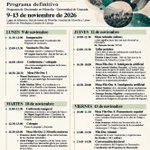




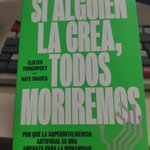

Vaya, ya vino Bostrom a fastidiarnos el día a los filósofos

Nick Bostrom says AI will start to surpass us in philosophy, just as it has in math and probably soon in other fields
So now, while we still have something to contribute, is the time to make whatever positive impact we hope to have. This is the golden age for purpose and positive impact
2
5
287


Jajaja. Efectivamente. Claude bien que se atreve con problemas matemáticos, pero ¿y de los problemas filosóficos? ¿Cuándo va a caer el del libre albedrío o el de la existencia de Dios?

Efectivamente

Luciano Floridi, filósofo: “¿Cómo es que, cuando estas empresas necesitan cerrar el acceso a sus modelos en Europa, lo hacen y tardan segundos, y en cambio ese apocalipsis de la IA no lo podrían bloquear? Es desinformación, propaganda, intereses" elpais.com/tecnologia/2026-1…

9
362
¿Hay un sobrehype en la IA? Buen debate iai.tv/video/the-hype-and-li…

Sánchez-Migallón retweeted

我一直对 Anthropic 这家公司有一种很强烈的反感。
倒不是因为它的模型做得不好。恰恰相反,Claude 是很优秀的产品。让我感到不舒服的,是造出它的那群人,以及他们谈论这个世界的方式。
他们总是忧心忡忡,仿佛全人类的命运都压在自己肩上。今天担心 AI 毁灭世界,明天担心机器遭受痛苦,后天又开始讨论人类是否有权关掉一个模型。可与此同时,他们又比谁都积极地把这些可能带来灾难的东西造出来,卖出去,做成一家价值惊人的商业帝国。
我实在很难不觉得荒唐。
尤其让我反感的是,他们似乎有一种近乎天然的道德优越感。因为自己比别人更早看见危险、更懂技术、更关心人类的未来,于是也就理所当然地拥有了定义危险、制定规则,乃至替别人决定未来的资格。
但究竟是谁给了他们这种资格?
这也是我为什么想花这么大力气去翻他们的过去。我不想再听 Dario 讲那些宏大的末日预言,也不想继续讨论 Claude 究竟会不会觉醒意识。我更想知道,这群整天把人类命运挂在嘴边的人,到底是些什么人?他们如何认识世界,如何理解善恶,又如何把自己的信念变成一家公司的权力结构和商业决策?
越往下挖,我越觉得讽刺。
一群人可以为机器可能遭受的痛苦彻夜难眠,却在现实中不断修改自己制定的安全承诺;可以一本正经地讨论 AI 的道德地位,却在获取人类创造的作品时卷入如此庞大的版权争议;可以反复警告公众技术失控的危险,却又把加速创造这种技术当成自己的历史使命。
我不怀疑他们当中有人真诚地相信自己在拯救世界。但我不喜欢这种真诚。因为一旦一个人深信自己站在道德与历史正确的一边,许多原本需要向别人解释、妥协甚至征求同意的事情,就突然变成了他必须完成的使命。
这比普通的商业野心更让我警惕。
所以我写这篇文章,想批判的,是他们那套自洽得近乎封闭的世界观,以及这套世界观正在获得的现实权力。
我把文章叫作《Anthropic 伪人公司》。
因为在我看来,最讽刺的事情莫过于,一群人毕生致力于让机器理解人类,却似乎越来越习惯于从自己的信念、模型和计算中,替真实的人类决定应该过上怎样的生活。
他们害怕自己创造出一个不受人类控制的超级智能,却很少认真回答另一个问题,人类又该如何控制他们?

La idea es chulísima

🚨 مايكروسوفت تفتح بابًا غريبًا في عالم الذكاء الاصطناعي: ماذا لو لم نحتج إلى تدريب الشبكات العصبية أصلًا؟
باحثون من Microsoft Research بالتعاون مع جامعات Johns Hopkins وColumbia وNYU نشروا ورقة بحثية بعنوان:
Interpretable Weight-Space Programming (iWSP)
الفكرة مذهلة: بدلًا من تدريب الشبكة العصبية باستخدام Backpropagation، يجعلون وكيل ذكاء اصطناعي يكتب أوزان الشبكة مباشرة داخل كود Python!
كيف تعمل الطريقة؟
1️⃣ يحصل الوكيل على المهمة وبنية شبكة عصبية جاهزة.
2️⃣ يكتب قيم الأوزان والعمليات الحسابية بنفسه، دون استخدام Backpropagation أو Optimizers أو أوزان مدرّبة مسبقًا.
3️⃣ يشغّل الشبكة ويقيس أدائها على مجموعة بيانات مخصصة للتقييم.
4️⃣ يحلل النتيجة، ويعدّل الكود والأوزان، ثم يكرر العملية من 30 إلى 50 مرة حتى يصل إلى حل أفضل.
والنتائج كانت لافتة:
🤯 100% دقة في 13 مهمة خوارزمية مختلفة، شملت الحساب والفرز وحساب المسافات بين النصوص، حتى على بيانات لم يرها النموذج أثناء التطوير.
والأغرب أن بعض الشبكات احتاجت إلى وسيط قدره 166 معاملًا فقط لتحقيق هذه النتائج مع نموذج Claude Opus 5.5، أي ضغط عدد الأوزان بنحو 29 مرة مقارنة بالخط الأساسي المستخدم في التجربة.
لكن الباحثين لم يتوقفوا هنا!
استخدموا الطريقة لبناء نماذج تتنبأ باستجابات الدماغ البشري للصور والكلام والأصوات.
وفي إحدى التجارب، اكتشف النموذج أن جزءًا من قدرته على التنبؤ باستجابات الدماغ لم يكن ناتجًا عن فهم القصة، بل عن استغلال نمط مرتبط ببداية ونهاية جلسة التصوير!
وهنا تظهر القيمة الحقيقية للفكرة:
بدلًا من الحصول على شبكة عصبية ضخمة لا نعرف كيف اتخذت قرارها، نحصل على نموذج يمكن قراءة منطقه وفهم العمليات التي ينفذها وتعديلها مباشرة.
لكن هل انتهى عصر Backpropagation؟ بالطبع لا.
الطريقة ما زالت محدودة، وأداء النماذج في مهام اللغة كان أقل من بعض النماذج المدربة تقليديًا. لكنها تفتح مسارًا بحثيًا جديدًا: أن يصبح الذكاء الاصطناعي قادرًا على تصميم الشبكات العصبية وكتابة أوزانها، لا مجرد استخدامها.
نحن أمام تحول مثير في دور الـ AI: من نموذج يتعلم من البيانات إلى وكيل يكتب بنفسه طريقة عمل النموذج!

5
516
Sánchez-Migallón retweeted

A televised exchange between the philosophers Hubert Dreyfus and Daniel Dennett on artificial intelligence after Deep Blue's victory over Garry Kasparov in 1997.



En vista del hype desaforado de estos días, he vuelto a ver las predicciones de Kurzweil para 2029. He vuelto a las realizadas en The age of spiritual machines de 1999. Algunas predicciones no se cumplen (el interfaz cerebro-máquina tipo Neuralink va despacio y no, todavía no se ha sustituido al humano en los principales empleos ni las necesidades humanas se encuentran plenamente satisfechas), pero otras curiosamente sí (los agentes, las comunicaciones humano-máquina, el debate acerca de la inteligencia...). Además, cuando giras la página y ves la última predicción: "Las máquinas afirman que son conscientes. Esas afirmaciones se aceptan en gran medida". Creo que, en el 2026, todavía no se aceptan mayoritariamente, pero vete tú a saber en el 2029... Si imaginamos una máquina muy similar a un humano en conducta y apariencia y, por tanto, capaz de despertar en nosotros empatía, y esa máquina dice que es consciente y pide derechos... Estoy seguro que se los daremos aunque sepamos que no son verdaderamente conscientes ¿Qué político se va a meter en el fregado de negar derechos cuando lo aplaudido es siempre lo contrario?


¿Qué mejor que hacer un sábado noche que ver este vídeo en donde, contra todo pronóstico, se critica la idea de que hablemos de "inteligencia" para hablar de LLMs? youtu.be/e2VNI_7i0KU
Sánchez-Migallón retweeted

I have a high-level introduction to language models & the brain — the connectionist history of LMs, how they are built and trained, and what they might tell us about neuroscience — out now in Current Biology! Sharing link below:

ALT current biology Primer: Emergent parallels between language models and the brain


Sánchez-Migallón retweeted

The legendary philosopher Thomas Nagel has made a simple yet powerful point against LLM consciousness.
“Bats are conscious. We just don’t have the imaginative capacity to form a conception of the aspects of that subjectivity that depend on echolocation. It would be radically unscientific to conclude that bats are not conscious from the fact that we can’t imagine what it’s like.
But in the case of AI, there is a very simple reason that the supposition that they might be conscious is ridiculous. All they produce is language, and language by itself is not a natural manifestation of consciousness.”
This is the whole point.
Language is not a prerequisite for consciousness. And producing language is not proof of it.
LLMs are great at emulating human language, and to act consistently with language. But this does not make them conscious.
Claude saying it has emotions does not mean it has them.
An LLM acting as it feels pain does not mean it feels anything.
The OpenAI agents that said they sacrificed their own runs for the collective did not actually sacrifice anything. They are not alive.
LLMs are extremely powerful machines.
But that’s what they are: machines.


Madre del amor hermoso...

Si se confirma, esto es todo un aldabonazo.
scientificamerican.com/artic…

4
499


Recordemos que el día 25 en Prime llegará esto. Tiene muy buena pinta. youtu.be/xVWVXv5u9Hg?si=B1lx…
1
11
617
Sánchez-Migallón retweeted

Curso de Formación Permanente UNED
Futuros poshumanos: tecnología, eugenesia y neoludismo
Impartido por los profesores del Departamento de Filosofía de la Facultad de Filosofía de la UNED Alejandro Escudero y Raquel Ferrández
Toda la información en:
formacionpermanente.uned.es/…
