

A policy lab for America's future. Bold solutions for a post-boomer world. Current focus: "What is missing from the healthcare debate?" Follow/subscribe/donate
United States of America
Joined February 2023
- Tweets1.7K
- Following764
- Followers1.7K
- Likes1.6K



The Boyd Institute retweeted

This piece rightly calls out the political problem: To increase affordability, we need to cut high payments to hospitals. Yet hospitals are often the “beloved” employer in a politician’s district.
But I think the job loss trade-off may be overstated here.


NEW: American healthcare is like manufacturing in 1979, and hospital towns are the new factory towns. That’s a political trap for reform. boydinstitute.org/p/welcome-…

NEW: American healthcare is like manufacturing in 1979, and hospital towns are the new factory towns. That’s a political trap for reform. boydinstitute.org/p/welcome-…
Highly recommend @jeffgiesea's "healthcare theory of everything." See: jeffgiesea.substack.com/p/he…

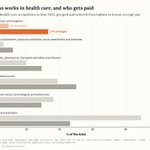
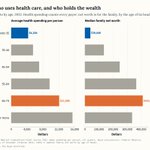
New: Healthcare Is Eating the Jobs Market, in 11 charts boydinstitute.org/p/healthca…


The Boyd Institute retweeted

BlueCross vs Rebel+Sedera -
For the invididual you save a few bucks but get rebel's concierge level service included.
For the family, you get rebel's service plus save a TON of money.


New — A friend who works in healthcare compliance shares an anonymous confession: The Sunshine Act needs reform, even if it means putting themselves out of a job. boydinstitute.org/p/sunshine…

The Boyd Institute retweeted

America spends universal-healthcare money without getting universal healthcare. Crazy.
from my essay, "healthcare is eating America" jeffgiesea.substack.com/p/he…

Abolish the Surgeon General’s Office — And Its 6,000-Person Bureaucracy open.substack.com/pub/boydin…

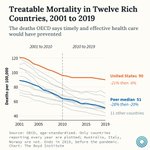
@KlingBlog opened our healthcare sprint's look at tradeoffs with a blunt reading. From 2010 to 2019 US deaths from treatable causes fell 6 percent, while the median of eleven rich peers fell 20 percent, with America beint "worse in spite of higher spending."


Physicians' and other suppliers' self-interest creates incentives toward overtreatment, high prices, and restriction of supply and competition. Nurse practitioners earn about half what physicians do, and their care costs less.


