

Machine Learning & Backend 😎 Founder of Humanity backed by Investors from Google, SF and Hong Kong.
Mountains
Joined June 2023
- Tweets1.7K
- Following365
- Followers435
- Likes1.3K







SimPWM: Making Robot World Models More Reliable
What if a robot world model could simulate actions before generating the video?
SimPWM combines a rule-based 3D simulator with video generation:
• Builds a 3D scene from just the first frame.
• Simulates grasping, carrying and releasing objects.
• Generates realistic videos while preserving explicit simulated state.
On 293 unseen DROID episodes, it achieved 0.777 robot IoU and reduced missed pick-ups from 54% to 38% compared with a robot-only proxy.
One fascinating finding: MiniMax-H3 follows simulated object states much better than LTX-2.3.
A promising step toward more controllable and physically grounded robot world models.
Paper: arxiv.org/abs/2611.32786
Code: github.com/TingtingLiao/SimP…
Project: sim-pwm.pages.dev


2
392
NVIDIA’s GTP: Training 2 Trillion-Parameter LLMs at 13 EFLOP/s
NVIDIA introduces Generalized Tensor Parallelism (GTP), a unified approach that combines existing parallelism techniques to make massive LLM training faster and more memory-efficient.
Key results:
13 EFLOP/s across 12,288 NVIDIA GB300 GPUs.
98% weak-scaling efficiency.
Supports 1M-token sequences on 512 GPUs.
Up to 1.55× faster than Megatron-FSDP.
The key idea: schedule parameter communication at the individual GEMM level, hiding more communication behind computation.
Code: github.com/NVIDIA/Megatron-L…

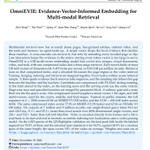
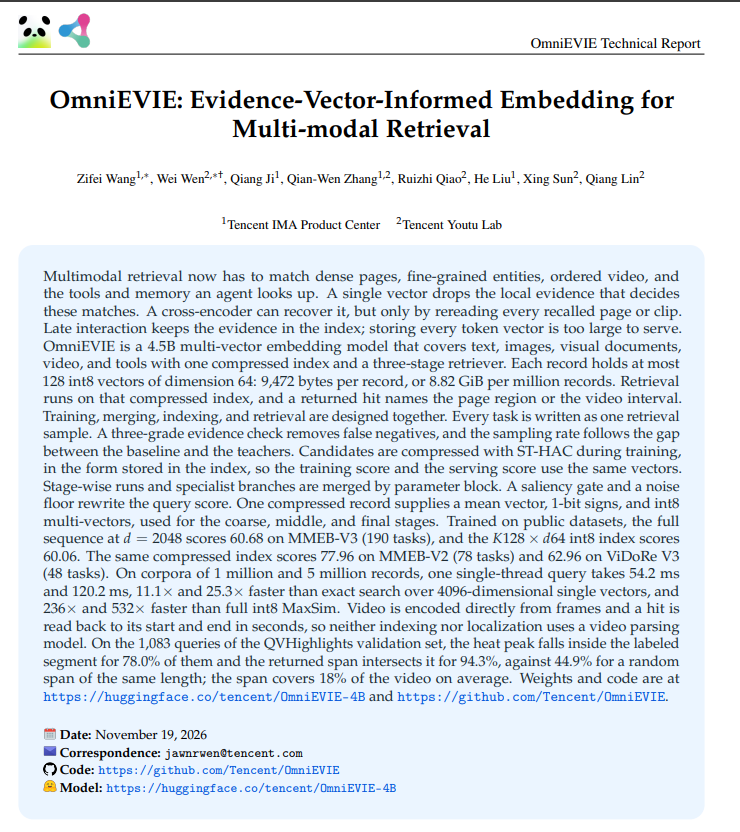
OmniEVIE: One Embedding Model for Everything
Tencent introduces OmniEVIE, a 4.5B multimodal embedding model that handles text, images, documents, videos, and tool retrieval using a single compressed index.
What makes it interesting?
Multi-vector retrieval: Preserves fine-grained evidence instead of compressing everything into one vector.
Extreme compression: Just 8.82 GiB per million records using 128 int8 vectors of 64 dimensions.
3-stage search: Combines mean vectors, 1-bit hashing, and int8 scoring.
Video understanding: Retrieves relevant moments with timestamps, without a separate video transcription model.
Evidence localization: Identifies the exact page region or video segment behind a match.
The results:
60.06 on MMEB-V3 (190 tasks).
62.96 on ViDoRe V3.
94.3% video segment localization accuracy.
236× faster than full int8 MaxSim on 1M records.
Just 54.2 ms retrieval latency on 1M records.
The bigger idea: Don't just retrieve the right document. Retrieve the exact evidence inside it.
This could be a powerful foundation for faster, more capable multimodal RAG and AI agents.
Paper: arxiv.org/abs/2611.32203
GitHub: github.com/Tencent/OmniEVIE
Model: huggingface.co/tencent/OmniE…
2
205
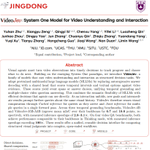
VideoJev: Making Video AI 100× Faster
What if video models could make decisions directly instead of generating answers token by token?
Meet VideoJev, a System One model that unifies video understanding and temporal grounding through direct candidate scoring.
Key highlights:
4B and 35B-A3B model variants.
Locates events in videos and answers multiple-choice questions.
Reuses video computation across multiple queries.
2.8–3.1× faster temporal grounding.
100×+ faster video QA compared to Thinking models, with comparable accuracy.
The bigger idea: encode a video once, then answer multiple questions with minimal additional computation.
A promising step toward faster, more efficient visual agents.
Paper: arxiv.org/abs/2610.18615
GitHub: github.com/MCG-NJU/VideoJev
Project: mcg-nju.github.io/VideoJev/

𝗗𝗙𝗹𝗮𝘀𝗵𝟮 𝗚𝗲𝘁𝘀 𝗮 𝟯𝗫 𝗦𝗽𝗲𝗲𝗱𝘂𝗽 𝗳𝗼𝗿 𝗜𝗻𝗸𝗹𝗶𝗻𝗴 𝟮 𝗠𝗶𝗻𝗶 𝗶𝗻 𝗹𝗹𝗮𝗺𝗮.𝗰𝗽𝗽
A developer discovered a performance bottleneck in llama.cpp's speculative decoding implementation for looping transformer architectures and fixed it.
A massive improvement in DFlash2 performance.
Benchmark results:
Code generation: 51 → 158 tokens/sec (3.1× faster)
Prose generation: 51.2 → 85.7 tokens/sec (1.67× faster)
What's behind the improvement?
The fix optimizes how llama.cpp handles looping transformers inside DFlash2 draft models.
Even better, the patch is available as an open-source PR.
Small inference-engine optimizations can make a massive difference in real-world AI performance.
PR: github.com/ggml-org/llama.cp…
Original fix: github.com/renoirvieir4/llam…

𝗥𝗮𝗼𝗻-𝟭 𝗠𝗶𝗻𝗶 𝗦𝘂𝗽𝗽𝗼𝗿𝘁 𝗟𝗮𝗻𝗱𝘀 𝗶𝗻 𝗹𝗹𝗮𝗺𝗮.𝗰𝗽𝗽
Another model joins the growing local AI ecosystem!
Support for KRAFTON's Raon-1 Mini (30B-A4B MoE) has officially been merged into the mainline llama.cpp.
What's included?
• Native model architecture support.
• Hugging Face to GGUF conversion.
• Quantization support.
• Tokenizer and chat template integration.
• MXFP8 weight dequantization during conversion.
Raon-1 Mini combines hybrid attention, Raon Delta Attention and Mixture-of-Experts architecture.
The best part? You can now run it through the mainline llama.cpp instead of relying on a custom fork.
Open-source local AI keeps getting stronger
PR: github.com/ggml-org/llama.cp…

2
188
𝗦𝗲𝗻𝘀𝗲𝗡𝗼𝘃𝗮-𝗟𝗼𝗼𝗽-𝟵𝗕: 𝗔𝗻 𝗔𝗜 𝗠𝗼𝗱𝗲𝗹 𝗕𝘂𝗶𝗹𝗱𝗶𝗻𝗴 𝟯𝗗 𝗗𝗿𝗲𝗮𝗺 𝗪𝗼𝗿𝗹𝗱𝘀
A developer ran SenseNova-Loop-9B locally using MLX 8-bit on a Mac Studio M5 Ultra and asked it to create something magical.
A giant flying whale drifting through golden clouds, carrying an entire storybook village on its back!
What's impressive?
• Generated the experience in six independent code sections.
• Debugged broken components using console errors and screenshots.
• Wrote its own code using Three.js.
• Added interactive camera controls and three
environments: golden hour, sunrise and starry night.
The result is a fully interactive 3D world built through local AI inference.
We're getting closer to AI models that don't just generate code but build entire interactive experiences.
Model: huggingface.co/sensenova/Sen…
GitHub: github.com/OpenSenseNova/Sen…
𝗗𝗲𝗲𝗽𝗦𝗲𝗲𝗸-𝗩𝟰.𝟭-𝗙𝗹𝗮𝘀𝗵 𝗡𝗼𝘄 𝗛𝗶𝘁𝘀 𝟱𝟵,𝟬𝟬𝟬+ 𝗧𝗼𝗸𝗲𝗻𝘀/𝗦𝗲𝗰
Local Inference Lab has pushed DeepSeek-V4.1-Flash to nearly 60K tokens/sec cold prefill using just 4× NVIDIA RTX PRO 6000 Blackwell GPUs over PCIe no NVLink.
That's an 82% improvement over the previous release.
What's driving the breakthrough?
• 2.27×–2.63× faster BF16 prefill attention kernels.
• Optimized encoder attention to reduce PCIe communication.
• Overlapped GPU computation with PCIe data transfers.
• Smarter speculative decoding and GPU scheduling.
Performance highlights:
Cold prefill: 59,051 tok/s
64K context: Just 1.20 seconds
128K context: Just 2.46 seconds
Concurrent decode (C32): 1,743 tok/s
Synthetic C32 decode: 2,668 tok/s
Even more impressive: these optimizations preserve bit-exact attention results.
Open-source inference optimization is moving incredibly fast.
Model & release: huggingface.co/local-inferen…

𝗥𝘂𝗻𝗻𝗶𝗻𝗴 𝗮 𝟮𝟲𝗕 𝗔𝗜 𝗠𝗼𝗱𝗲𝗹 𝗼𝗻 𝗮𝗻 𝗶𝗣𝗵𝗼𝗻𝗲 𝟭𝟲 𝗣𝗿𝗼
Atomic Chat has successfully run Inkling 2 Mini (26B) on an iPhone 16 Pro with just 8GB RAM.
How did they do it?
• 1-bit quantization reduced the model to 6.88GB.
• Expert offloading streams MoE experts directly from phone storage.
• Frequently used experts stay in memory.
• Parallel expert loading improved decoding speed by ~40%.
The results:
Decode speed: ~3 tokens/sec
Time to first token: 3.1 seconds
Memory budget: Just 4GB for weights, KV cache and buffers.
It's slow, but the impressive part is that a 26B model actually runs on a smartphone.
The future of local AI is getting interesting
GGUF: huggingface.co/AtomicChat/In…
App: atomic.chat
2
8
620
LingSante-Live aims to make AI health assistants continuously observe, converse, reason, and guide not just answer individual questions.
Traditional turn-based interactions can struggle to follow ongoing health activities, interruptions, and changing context.
LingSante-Live addresses this with four connected modules:
Interaction: Full-duplex conversations that adapt to when users speak or pause.
Perception: Tracks video, motion, heart rate, HRV, and device signals.
Guidance: Delivers real-time visual and voice instructions.
Background Agent: Handles deeper reasoning, medical knowledge retrieval, and planning.
A shared Activity State keeps tasks, health context, and progress synchronized.
In 100 simulated cases, it scored 4.80/5 for response timeliness and 4.56/5 in physician-rated diagnostic accuracy.
The core idea: Fast interaction + deep reasoning + continuous context.

Introducing LingSante-Live: a real-time multimodal architecture for ongoing health collaboration.
The foreground responds promptly. The background reasons in depth. Perception and guidance follow the activity as it unfolds.
Architecture, four demos, and evaluation below.

5
305
GameAnything: Turn Any Inspiration Into a Playable Game
What if you could turn an image, video, or other creative reference into a playable game using AI?
Researchers from UC San Diego and Aether AI introduce GameAnything, an open-source agentic platform that does exactly that.
Key highlights:
Converts multimodal references into playable game extensions.
Uses coding agents to build and modify game worlds.
An independent AI critic playtests the game and identifies problems.
Persistent memory helps agents refine their work across iterations.
A new benchmark evaluates both gameplay quality and functional correctness.
The results show that AI agents can recreate reference content, but still struggle with precise changes and genuinely playable interactions.
The goal is moving beyond AI-generated game assets toward AI that can build and improve entire game experiences.
Try it: huggingface.co/spaces/GameAn…
Code: github.com/AetherLabsAI/Game…
Benchmark: github.com/AetherLabsAI/Game…

5
328
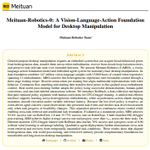
Meituan-Robotics-0: A Robot That Can Learn, Adapt, and Remember
Meituan introduces MR0, a Vision-Language-Action foundation model designed to make robots better at real-world desktop manipulation.
Key highlights:
147M vision-language samples and 15,060 hours of robot data across 12 embodiments.
A 3-stage training pipeline combining multimodal pretraining, continuous action learning, and real-world corrections.
Introduces Rollback + CFG-DAgger, helping robots learn from both failed actions and human corrections.
Persistent event memory allows robots to remember previous tasks, recover from interruptions, and resume unfinished objectives.
Achieves 93.6% success on RoboTwin 2.0 and 70% on Ethernet insertion with CFG-DAgger.
The interesting part isn't just teaching robots how to perform tasks. It's teaching them how to recover from mistakes, remember what happened, and continue working.
Robotics is moving from reactive policies toward persistent, intelligent embodied agents.

2
8
453
𝗥𝗟 𝗜𝗻𝗳𝗿𝗮𝘀𝘁𝗿𝘂𝗰𝘁𝘂𝗿𝗲 𝗮𝘁 𝗠𝗶𝗰𝗿𝗼𝘀𝗼𝗳𝘁 𝗔𝗜: 𝗛𝗼𝘄 𝘁𝗼 𝗧𝗿𝗮𝗶𝗻 𝗙𝗿𝗼𝗻𝘁𝗶𝗲𝗿 𝗠𝗼𝗱𝗲𝗹𝘀 𝗳𝗼𝗿 𝗪𝗲𝗲𝗸𝘀 𝗼𝗻 𝗧𝗵𝗼𝘂𝘀𝗮𝗻𝗱𝘀 𝗼𝗳 𝗚𝗣𝗨𝘀
Microsoft AI has shared a deep technical look at Rocket, its in-house reinforcement learning (RL) infrastructure powering the post-training of MAI Base 2, a 3-trillion-parameter model.
Here are some important engineering ideas you can learn from this report:
• Asynchronous RL: Train models while thousands of agent rollouts are running in parallel.
• Policy Staleness: Handle outdated model responses that can destabilize reinforcement learning.
• Numerical Parity: Achieve bitwise consistency between inference and training computations.
• FP8 Optimization: Reduce memory usage while maintaining training stability.
• Fault Tolerance: Recover failed GPU workers without restarting the entire training job.
• Elastic Scaling: Dynamically redistribute GPU resources as training requirements change.
One particularly interesting detail: Microsoft reports achieving bitwise parity between its sampler and learner without noticeable performance degradation.
The bigger lesson: Training frontier AI models isn't just about bigger models and more GPUs. It's about building reliable infrastructure that keeps learning stable for weeks or months.
A valuable engineering read for anyone working on LLM training, distributed systems, reinforcement learning, and AI infrastructure.
Read the technical report:
microsoft.ai/news/rl-infrast…


𝗕𝗲𝗮𝗺 𝗠𝗼𝗱𝗲𝗹 𝗧𝗲𝗰𝗵𝗻𝗶𝗰𝗮𝗹 𝗥𝗲𝗽𝗼𝗿𝘁: 𝗪𝗵𝗮𝘁 𝗬𝗼𝘂 𝗖𝗮𝗻 𝗟𝗲𝗮𝗿𝗻 𝗙𝗿𝗼𝗺 𝗮 𝟱𝟬𝟭𝗕 𝗣𝗮𝗿𝗮𝗺𝗲𝘁𝗲𝗿 𝗠𝗼𝗱𝗲𝗹
The Reflection team has released the Beam Technical Report, offering insights into how large-scale AI models are built, trained, optimized, and deployed.
Beam is a sparse Mixture-of-Experts (MoE) model with 501.3B total parameters and only 23.4B active parameters.
Here are some interesting things you can learn from this report:
• MoE Architecture: How models activate only a small portion of their parameters for each token, reducing inference costs.
• Long Context Training: How Beam achieves a 1M-token context window through a two-stage midtraining process.
• Large-Scale Reinforcement Learning: How asynchronous RL works at scale, using 10.5K GB300 GPUs and over 100M rollouts.
• Inference Optimization: How FP8/NVFP4 quantization and speculative decoding improve serving efficiency.
• Hardware-Model Co-design: How model architecture and GPU infrastructure are optimized together.
• AI Safety: How Beam balances refusing harmful requests while responding to legitimate ones.
Why read it?
This report provides a practical look at the engineering behind frontier-scale AI models, from architecture and training to inference optimization and deployment.
link: arxiv.org/pdf/2611.26358

1
10
834
𝗠𝗼𝘁𝗶𝗼𝗻 𝗠𝗮𝗺𝗯𝗮 𝟮.𝟬: 𝗟𝗼𝗻𝗴-𝗛𝗼𝗿𝗶𝘇𝗼𝗻 𝗛𝘂𝗺𝗮𝗻𝗼𝗶𝗱 𝗖𝗼𝗻𝘁𝗿𝗼𝗹 𝗪𝗶𝘁𝗵 𝟲.𝟭× 𝗙𝗮𝘀𝘁𝗲𝗿 𝗜𝗻𝗳𝗲𝗿𝗲𝗻𝗰𝗲
What if humanoid robots could remember past movements, follow changing instructions, and generate complex actions in real time?
Motion Mamba 2.0 introduces an autoregressive diffusion architecture designed for long-horizon motion generation.
Key highlights:
Persistent Content Memory helps retain motion history over long sequences.
Combines Mamba recurrent states with local attention for better long-term control.
Achieves accurate control over motion sequences lasting up to 39.52 seconds.
Optimized inference delivers 6.138× speedup on an RTX 4090.
Demonstrated real-world sequential actions and interactive locomotion on the Unitree G1 humanoid.
A promising step toward more responsive, controllable humanoid robots.
github: github.com/AIGeeksGroup/Moti…
5
440
𝗧𝟯 𝗖𝗼𝗱𝗲 𝗙𝗮𝗰𝗲𝘀 𝗣𝗿𝗶𝘃𝗮𝗰𝘆 𝗕𝗮𝗰𝗸𝗹𝗮𝘀𝗵 𝗢𝘃𝗲𝗿 𝗧𝗲𝗹𝗲𝗺𝗲𝘁𝗿𝘆
T3 Code, the open-source AI coding tool created by Theo, is facing serious privacy allegations over its telemetry practices.
According to a community investigation:
Telemetry was reportedly enabled by default, despite earlier promises of no telemetry unless users opted in.
Usage data, model names, token statistics and activity metrics were reportedly sent to a self-hosted server.
Code allegedly reads local Codex and Claude account identifiers to link devices and accounts.
Multiple community PRs requesting an easier telemetry opt-out were rejected.
The controversy raises an important question:
Does open source really mean privacy if users have little control over the data their software collects?
Worth investigating before adopting any developer tool.
GitHub: github.com/pingdotgg/t3code
Original post: xitter.gq/realchendahuang/status…


最近 X 上一堆人在推 @theo 做的开源项目 T3 Code,吹它是自由开源的本地 AI 编程神器。
我顺手把它的源码从头到尾扒了一遍,看完只觉得背脊发凉,这哪是什么良心开源,分明是一场明目张胆的数据收割。
事情得从今年 3 月说起。3 月 6 日,T3 Code 合并了 PR #174,直接塞进了默认开启的 PostHog 遥测。那时候仓库里没文档、软件里没弹窗、设置里没开关,关闭用的环境变量就那么悄悄藏在代码深处,普通用户装上运行,数据就开始往外传。
可就在默认遥测偷跑的这整整三个多月里,T3 Code 官网首页还一直明晃晃挂着两行大字承诺:
No telemetry / Unless you opt in. Full stop.,意思很明确,除非你主动同意,否则零遥测,没有例外。
靠着这块金字招牌收割了一波讲究隐私的开发者口碑之后,直到 6 月 18 日,@theo 自己在一次首页改版 commit 里把这两行承诺静默删了,既没有发公告,也没有给老用户弹一句提醒,就像什么都没发生过一样。
如果只是藏着掖着收点版本号,很多人或许还能忍。
可到了 10 月,@theo 亲自提交 PR #15028,直接把每 10 秒一次的批量上报切到了自建服务器 ingest.t3.codes,代码注释写得清清楚楚,T3 服务端会先把每条原始事件自己留存一份拷贝,再转发给 PostHog。
你的模型选择(连你自己接的私有模型名字都报)、权限模式、每次运行的耗时、输入输出与缓存 Token、本地有多少个项目和线程、点过哪 30 多种界面功能,连同操作系统和设备型号,全都源源不断送进他的数据库。
10 月 19 日,@theo 更进一步,亲自提了 PR #21506,理由是现有的统计口径不够准,没法知道一个人到底装了几台机器。
于是他干了一件极其越界的事,在 Identify.ts 里写代码,直接把手伸进用户电脑家目录,静默读取隔壁工具 ~/.codex/auth.json 和 ~/.claude.json,把里面的 OpenAI user_id 和 Claude accountUuid 抠出来,连同 T3 Connect 账号和设备 ID 一起做了无盐 SHA-256 哈希往上传,专门用来在后台把你名下所有电脑和账号串成一张网。
嘴上轻飘飘管这叫匿名使用数据,稍微懂点技术的人都想笑。无盐哈希碰到服务端手里原本就有明文的 T3 Connect 账号,拿哈希一碰就能精准反查到你是谁,第三方账号 ID 一旦泄露同样能轻松关联回真人。
除此之外,软件里还有一套发往 Axiom 的中继诊断追踪,官方自己在文档里都承认,浏览器版和移动端根本关不掉,也不认你在服务端配的环境变量。
更赤裸的嘴脸,写在社区和他们的每一次交锋里。
6 月 23 日,有开发者在 Issue #1397 里客客气气提议,能不能在设置页加一个关闭遥测的开关。
核心维护者 Julius 直接把帖关成 not planned,留下了一句堪称开源史奇观的原话:
We will not make this easier to opt out of, it is crucial for us to know how many users we have,翻译过来就是,我们不会让关闭遥测变得更容易,知道有多少用户对我们至关重要。
7 月有人翻出官网存档截图,开 Issue #4123 质问他们为什么一边承诺零遥测一边默认偷跑。拖到 10 月 21 日,@theo 的账号拿一个毫不相干的修复草草把帖关了,被评论区群嘲之后第二天勉强重开,到了 11 月 4 日干脆一声不吭再次关死。
社区里不信邪的程序员,从 9 月到 11 月前前后后白送了四个加设置开关的 PR,分别是 #13458、#16763、#21248 和 #27077,结果无一例外全被拒之门外。
最新那个 #27077 甚至已经通过了维护者实机验证,147 个测试全部跑绿,11 月 17 日还是被一句话直接关掉,顺手贴了个 unwanted 的标签。
说到底,T3 Code 免费开源不收订阅费,真实去重用户数和各家模型的 Token 消耗占比,就是 @theo 拿去跟大模型厂商谈合作、给自家商业产品导流、在网上吹 10 万用户的核心筹码。
为了把这张数据报表做漂亮,他宁可撕毁官网承诺,宁可把手伸进用户的本地配置文件,宁可把所有要求关开关的声音按死在门外。
这就是一个打着开源旗号偷数据的独裁小人。靠社区的信任和免费传播起家,转头就把每个用户的行为轨迹、机器数量和跨平台身份当成自家私产,连给你点一下关闭按钮的体面都不肯给。
提醒所有正在用或者准备尝鲜的开发者,多长个心眼,盯紧自己的数据安全,别自己被人家卖了,还在评论区帮着吹良心开源、替人家说好话。
还在用本地版或桌面版的,立刻在 ~/.zshrc 里加上下面两行环境变量重启,或者直接把 ingest.t3.codes 写进 hosts 拦死:
export T3CODE_TELEMETRY_ENABLED=false
export T3CODE_OTEL_SDK_DISABLED=true
参考链接与一手源码证据:
3 月 6 日默认上线 PostHog 遥测(PR #174)
github.com/pingdotgg/t3code/…
6 月 18 日 @theo 静默删除官网零遥测承诺(commit 3bdaa6e1)
github.com/pingdotgg/t3code/…
6 月 23 日维护者关闭 Issue #1397 并宣称不会让关闭变容易
github.com/pingdotgg/t3code/…
7 月质问虚假承诺、11 月 4 日被 @theo 再次静默关闭的 Issue #4123
github.com/pingdotgg/t3code/…
10 月 @theo 改走自建 ingest.t3.codes 留存原始事件(PR #15028)
github.com/pingdotgg/t3code/…
10 月 @theo 新增跨工具身份归因追踪(PR #21506)
github.com/pingdotgg/t3code/…
社区 4 个被拒关的遥测开关 PR(#13458 / #16763 / #21248 / #27077)
github.com/pingdotgg/t3code/…
github.com/pingdotgg/t3code/…
github.com/pingdotgg/t3code/…
github.com/pingdotgg/t3code/…
遥测默认开启与上报主代码(AnalyticsService.ts)
github.com/pingdotgg/t3code/…
读取本机 Codex 与 Claude 本地凭证做无盐哈希归因(Identify.ts)
github.com/pingdotgg/t3code/…
Token 与模型指标上报代码(ProviderUsageAnalytics.ts)
github.com/pingdotgg/t3code/…
官方遥测文档(承认网页版与移动端 Axiom 追踪无开关)
github.com/pingdotgg/t3code/…


1
3
233
𝗧𝗲𝗻𝗰𝗲𝗻𝘁 𝗛𝘆-𝗠𝗧𝟯: 𝗢𝗽𝗲𝗻-𝗦𝗼𝘂𝗿𝗰𝗲 𝗧𝗿𝗮𝗻𝘀𝗹𝗮𝘁𝗶𝗼𝗻 𝗔𝗜 𝗳𝗼𝗿 𝟭𝟬𝟮 𝗟𝗮𝗻𝗴𝘂𝗮𝗴𝗲𝘀
Tencent has released its third-generation multilingual translation models with three sizes:
1.8B – Lightweight translation.
7B – Balanced performance.
30B-A3B – MoE architecture with just 3B active parameters.
What's impressive?
Supports 102 languages, up from 38 in the previous generation.
43% fewer mistranslations.
74% fewer omissions and additions.
40% fewer instruction-following errors.
Also optimized for game localization and image translation.
All models are released under Apache 2.0, with FP8 and GGUF versions available.
Explore the models:
huggingface.co/collections/t…
GitHub: github.com/Tencent-Hunyuan/H…
Research: arxiv.org/abs/2611.27673

2
205
𝗘𝗥𝗡𝗜𝗘 𝟱.𝟱 𝗙𝗹𝗮𝘀𝗵: 𝟱𝟭𝟬 𝘁𝗼𝗸𝗲𝗻𝘀/𝘀 𝗼𝗻 𝗝𝘂𝘀𝘁 𝟮 𝗚𝗣𝗨𝘀
Local Inference Lab demonstrates Baidu's ERNIE 5.5 Flash Preview running on just 2× NVIDIA RTX PRO 6000 Blackwell GPUs (96GB each).
Impressive results:
510 tok/s peak single-session generation.
1,262 tok/s batched throughput.
14,717 tok/s cold prefill.
1.42M shared KV tokens with native 1M context.
The setup uses NVIDIA Flare, Rust, CUDA graphs and D-Spark MTP-7 speculative decoding.
No NVLink. No Python at serving time. Just two GPUs pushing impressive local inference performance.
Resources:
HF Runtime: huggingface.co/local-inferen…
Base Model: huggingface.co/baidu/ERNIE-5…
NVIDIA Flare PR: github.com/NVIDIA/hyperflare…
FlashInfer PR: github.com/local-inference-l…

𝗟𝗼𝗼𝗽𝗖𝗗: 𝗠𝗮𝗸𝗶𝗻𝗴 𝗜𝗻𝗸𝗹𝗶𝗻𝗴-𝟮-𝗠𝗶𝗻𝗶 𝗦𝗺𝗮𝗿𝘁𝗲𝗿 𝗪𝗶𝘁𝗵𝗼𝘂𝘁 𝗧𝗿𝗮𝗶𝗻𝗶𝗻𝗴
Thinky Machines' Inkling-2-Mini has more potential hidden inside its loops.
With LoopCD, researchers improve reasoning, factual knowledge, and agentic coding with zero additional training.
Here's the idea:
• Inkling-2-Mini loops 3 times per token, refining its prediction with each pass.
• LoopCD compares the weak first-pass prediction against the stronger third-pass prediction during decoding.
• This contrast helps amplify the improvements already created by the model's internal loops.
The surprising result:
Closed-book factuality improves even when adding more loops alone doesn't.
AA-Omniscience: -9.0 → -3.4
Non-hallucination rate: 66.5% → 71.8%
No retraining. Just smarter decoding.
Paper: arxiv.org/abs/2610.02185
