






吳偉雄 retweeted

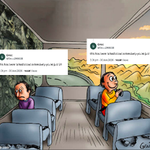
We use ‘fortnight’ for a period of two weeks (fourteen nights), but did you know we used to say “se’nnight” for a week (seven nights)?
I came across this lovely old word while looking for more examples of the Kentish dialect word “looker.” A little linguistic treasure!

吳偉雄 retweeted

Force feeding ducks to give them fatty liver disease, which does not exist in nature, is one of exceedingly few animal agriculture practices which is banned some places. What people are saying to support this practice makes me feel insane


I wrote about foie gras, democracy, and meliorism.
newrepublic.com/article/2171…

吳偉雄 retweeted

why did white people stop saying "jackass" y'all need to bring that back. that's a banger insult.


吳偉雄 retweeted

Drove from San Francisco to Monterey (120 mi) today, and have no energy left. Driving is dangerous, stressful, and exhausting. Some people love it and are good at it, but it's appalling that we force so many people to do it just so they can have lives.


吳偉雄 retweeted

This will go down as Flavio Bolsonaro’s 'basket of deplorables' moment. In Brazil, it's common to hear vitriol against Lula: crook, corrupt, etc, all of which is considered banal
Flavio, however, succumbed to the worst caricature of the Brazilian Right by calling Lula '9 Fingers'–an epithet used by elite opponents to refer to the former metalworker who lost a finger at 17
Lula aptly seized on this to attack Flavio for being raised raised in a gated community, never laboring a day in his life and insulting him and workers
It may well have boosted his numbers in the run-off


吳偉雄 retweeted

If, like me, you read a lot of academic pre-war books, you’ll not only see lots of ヲ, but a mix of kanji and katakana only with no hiragana whatsoever. I think hiragana used to be reserved for more personal and informal writing. For official/formal stuff, it was strictly kanji and katakana only.

吳偉雄 retweeted

When people call it a “revolution,” even a “leaderless” one, simply because an incumbent has lost an election and transferred power, this shows how far the concept of “revolution” has been inflated into meaninglessness, but also how deep the crisis of politics is. People distrust institutions so much that they do not expect them to work without at least some kind of “revolutionary” disruption.


