

Branded neobank + stablecoin stack for teams that don’t want a 6-month build.
onchain
Joined April 2026
- Tweets242
- Following143
- Followers88
- Likes303





Pinned Tweet
On this day in 1781, the British surrendered at Yorktown.
Part of the campaign ran on IOUs backed by one man's credit: Robert Morris, Superintendent of Finance. Later issues of his notes got nicknames: Short Bobs and Long Bobs.
Before stablecoins, there were Short Bobs.

Peer2Company's OTC clients kept asking them for one thing... a simple non-custodial wallet.
They could have built it in-house, but they chose ours instead, to launch faster and save the time and cost of a build.
Weighing the same call for your desk? DM us, happy to show you.

Meet you there!

Join us for our next Genzio Roundtable featuring:
@vivianonchain | @UPayOfficial_EN
George Stoyanov | @masswallets
@DigiAwareness_
@DigiByteCoin
📅 October 22 | 12–1 PM ET
xitter.cf/i/spaces/1vKpPNmbgROKE

Exactly, privacy will be key for the mainstream adoption of stablecoins.

Step 3: your balance becomes the bait
Stablecoins moved real money onchain, and a public ledger shows it to everyone
@Dashpay:
“Buy a monkey JPEG? Maybe. Put your life savings where it’s public knowledge? Absolutely not”
Companies are next in line
@0xrandomrandom / @masswallets:
“A company’s balance sitting on a public blockchain is simply not okay. Their clients demand privacy”
Dear @Revolut, rejecting the flowers is the girl's job. Yours is to process the payment.
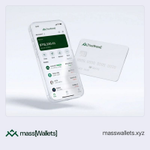
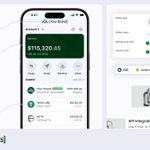
We help fintechs launch branded non-custodial wallets with partner card integrations.
We give users more choice and Revolut... a reason to sweat.

thanks Revolut today for:
- making me look broke in a restaurant, since I couldn't pay for my $200 meal
- rejecting 3x billings from my Claude Max plan
- making me look stupid in front of my girlfriend, since I couldn't afford a bouquet of flowers
god, why residents of my counrty can't open any other Europe cards???
Join us in our discussion about privacy, starting now at the @wenaltseason Space. 👇
xitter.cf/i/spaces/1kJzDPeMlldKv
Your Wallet Knows Too Much: Who Fixes Onchain Privacy?
The chain never leaked your ID. Data breaches did, then the chain showed your bags
$124M+ in wrench attack exposure in H1 2026, up ~12x YoY
Wallets or protocols: who should own the fix? Time to address it honestly
October 15 | 3 PM UTC | 11 AM ET
LFG

If your clients buy stablecoins from you but spend through someone else’s card, who earns from the swipe?
For OTC desks and fintech apps, that question matters more as clients use stablecoins for everyday purchases.
@Visa supports 160+ stablecoin-linked card programs, with payment volume up nearly 200% in a year. The growth also shows up in purchase counts: @a16zcrypto reports nearly 9 million crypto card purchases in July 2026, up from about 5.2 million a year earlier.
Those purchases averaged around $86, the scale of a dinner or a tank of fuel. Spending is straightforward for the merchant: crypto converts to local currency at checkout, and they receive a regular card payment without changing how they get paid.
The data has limits. The Paymentscan sample does not cover the whole market, and its largest program by volume, RedotPay, reports its own spending figures rather than having them tracked onchain. Even within that sample, though, the figures show why spending deserves attention alongside buying and holding.
For a desk or fintech app, the commercial question is where that spending happens. When clients buy stablecoins from you and then move to another provider’s card, that provider gets the ongoing spending relationship.
Offering a card under your own brand gives clients a way to keep spending through your business. With @masswallets, they use your branded wallet and card, while your business earns interchange revenue from those purchases.
Is a card on your 2027 roadmap? Get in touch. We can help you launch under your brand.

5/ With mass[Wallets], clients spend through your branded wallet and card, and your business earns interchange revenue.
Desks and fintech operators, is a card on your 2027 roadmap? Get in touch. We can help you launch under your brand.
4/ If your desk sells a client stablecoins and they spend through another provider's card, that provider owns the spending relationship.
3/ An $86 purchase is the scale of a dinner or a tank of fuel.
The crypto converts to local currency at checkout, so the merchant receives an ordinary card payment. Clients can spend without merchants changing how they get paid.
2/ a16z crypto reports nearly 9M crypto card purchases in July 2026, up from about 5.2M a year earlier, averaging around $86.
The Paymentscan sample isn't the whole market. Its largest program by volume, RedotPay, self-reports spending rather than being observed onchain.