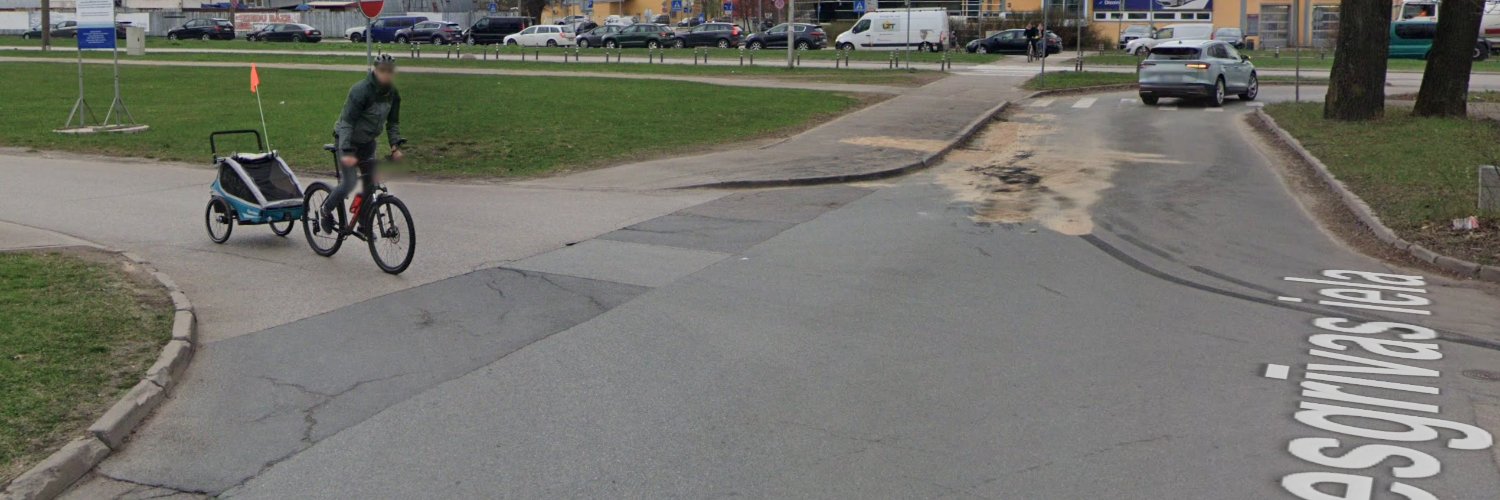





5 EUR/litrā un parunāsim vēlreiz. Un tas, ka cilvēki pievēršas velo tieši ekonomisku iemeslu dēļ, dīzelis par dārgu un tāpēc nopērk velo par 50 EUR, labi parāda bomžu domāšanu.

Daļēji saliku jauno koridora skapi un ieliku tur skeletu. Beidzot man ir skelets skapī, nekas, ka tikai uz vienu diennakti.

Aw-fucking-mazing!

INDIGNANTE: Iryo advirtió a ADIF semanas antes del choque de Urda que sus trenes "se paraban" solos en esa vía.
Nuevas informaciones incorporadas al sumario judicial que instruye el Juzgado de Orgaz revelan que el operador ferroviario privado Iryo notificó por escrito a ADIF, con semanas de antelación al trágico siniestro, la existencia de fallos reiterados en la infraestructura entre Los Yébenes y Urda.
La compañía alertó de que sus composiciones experimentaban "frenados de emergencia no programados" y pérdida repentina de señalización al transitar por ese punto crítico, sin que el administrador de la infraestructura tomara medidas correctoras ni interrumpiera el tráfico.

In Spain our train was doing 298 km/h and it felt like there was some seismic activity.
But hey, it was 15 EUR for 600km and our train didn't crash so in the end turned out all great.

My journey on the Shinkansen Express from Osaka to Tokyo 🇯🇵🏯 in Business class hit a snag just 15 minutes after I recorded this video. We were informed that the train had to slow down from 300 km/h to only 200 km/h because seismic activity had been detected in the area we were about to cross.
This clearly shows the difference between Japanese and European safety systems. In Japan, safety always comes first and in Europe? I have nothing but praise for the Italian and German high-speed trains (I love travelling on them in Business class), but would safety really come first there too? That remains the question. We have a lot to learn from the Japanese.
Īsumā:
Autobraucēji Latvijā ir absolūti idioti un mums tas ir OK, tāpēc uzliksim visu atbildību uz gājējiem.
Perfekts risinājums!

🚶Vietās, kur gājēju intensitāte ir maza, ierīko gājēju pāriešanas vietas. Jo autovadītāji, ikdienā nesastopot uz pārejām gājējus, tos negaida, savukārt gājēji ir pārāk pārliecināti par savu priekšroku un nepārliecinās, vai netuvojas transports. Negadījumu risks palielinās.
☝🏻Pāriešanas vietās gājējiem ir iespēja šķērsot autoceļu, bet viņiem nav priekšrokas.
🔸Šogad pāriešanas vietas gājējiem ierīkotas arī Ogres novada Tīnūžos autoceļu Ulbroka–Ogre un Inčukalns–Ropaži–Ikšķile apļveida satiksmes mezglā un uz autoceļa Ulbroka–Ogre.
Plašāk lasiet👉🏻 bit.ly/4klgIts
Kāpēc visur nevar ierīkot gājēju pārejas, skaties👇🏻
Nu bāc. Kad esi pilnīgi drošs, ka pēdējās 3 dienas neesi ēdis bietes, sāc jau googlēt velns viņu zina ko un tad beigās tomēr sazīmē, ka Lidlā biji nopircis biešu čipsus un izgrauzi puspaku... Daaaaamn.

Armands retweeted

Japan has spent 62 years perfecting what high speed railway safety looks like.
- Since 1964, Japan has built over 3,200 km of high-speed rail, operating trains at up to 320 km/h and carrying approximately 380 million passengers annually.
- Its busiest corridor runs nearly 400 trains daily, averaging just 1.4 minutes of delay. Yet across six decades, not a single passenger has died in a Shinkansen collision or derailment. Think of that for a moment.
Now consider Spain.
- In 2013, 80 people died when a train entered a curve at excessive speed. This January, another 46 died in a disaster linked to a suspected rail fracture. Today, at least 68 more have been killed near Toledo.
- The failures have differed. In 2003, conflicting movement authorisations contributed to a collision killing 19. In 2006, a train entered a 30 km/h turnout at approximately 125 km/h, killing seven. In 2013, automatic protection failed to prevent catastrophic overspeed.
- Today's accident is especially troubling. Around 08:30 am, Spain's LZB train protection system malfunctioned. Six trains automatically stopped, exactly the response intended to prevent a collision.
- But minutes later, a control centre reportedly authorised a Renfe train to resume normal movement despite a red signal and another train remaining stationary ahead. Restricted operation should have limited it to approximately 40 km/h. Instead, the train accelerated to nearly 200km/h and rear ended the Iryo train from behind.
- Modern railways depend on multiple safeguards. A signalling failure should not automatically become a collision. Speed restrictions, automatic protection and operational procedures are supposed to prevent one failure from becoming another.
- This is what makes Spain's history so concerning. The initiating causes range from human mistakes to suspected physical defects, yet several disasters raise questions about why the remaining protections were insufficient. Whether those weaknesses share an institutional cause that leads to such failures.
- Japan has experienced derailments, equipment failures and human mistakes too. But its safety architecture, preventive maintenance, rigorous operating procedures and continuous learning have helped contain failures while moving hundreds of millions of people every year.
Japan's achievement is not that nothing ever goes wrong. It is that safety has been engineered into the railway, reinforced through training and maintained across generations of employees.
Spain's investigations are still unfolding, and no single institutional cause has been proven. But these repeated tragedies demand more than finding the person or component that failed.
These repeated accidents reveal something is fundamentally wrong at the first principles level of Spain’s high speed railway system.


Armands retweeted

Que no me vengan con que ha sido un error humano.
En el siglo XXI un tren no choca con nada. No puede. Para eso existen el ERTMS, el ASFA, los enclavamientos y los circuitos de vía: para que, cuando el humano se equivoque, la máquina frene sola. Esa es su única función.
Si un AVE con 397 pasajeros ha podido alcanzar a un tren parado, es porque esa capa de protección no estaba. Averiada, desconectada o en modo degradado, da igual. No estaba.
Y un sistema de seguridad que depende de que un operario no se equivoque no es un sistema de seguridad. Es una lotería con horario.
El error humano no es la causa. Es el síntoma. La causa es que alguien decidió que se podía circular a 300 km/h con el sistema principal caído y una persona como único respaldo.
En mi sector, cuando falla el principal, entra el secundario. Cuando falla el secundario, entra el terciario. Cuando no hay terciario, no se sale. Se llama redundancia y no es un lujo. Es lo que separa un incidente de un funeral.
Echarle la culpa al maquinista es lo más barato. Y lo más cobarde.
El que diseñó un sistema donde un humano puede matar a 500 personas, ese es el responsable.

Tikmēr RD par kavējumiem no vaininiekiem nepiedzen ne centa.

🇵🇱 Pirmdien Varšavā kravas automašīna ar paceltu hidromanipulatoru sabojājusi sabiedriskā transporta kontakttīklu un tā balstu. Satiksme bijusi traucēta vairākas stundas.
#Varšava #Polija
Pēc transporta uzņēmuma informācijas, autovadītājam piemērots naudas sods. Uzņēmums no vadītāja un viņa apdrošinātāja plāno piedzīt zaudējumus vairāku simtu tūkstošu zlotu apmērā, tostarp par nenobrauktajiem maršrutu kilometriem.
Vispār visa Lielirbes iela stāv, jo pārāk daudz cilvēku brauc iekšā Rīgā. @RigasDome varētu pārregulēt to pašu luksoforu Ulmaņa X Lielirbes, palaist autobusu pa "iekšzemi" un sastrēgumu noparkot Ulmaņa gatvē.

Es kā cilvēks, kas diezgan daudz atkritumu sadedzinājis, varu teikt, ka 30% ir absolūta diršana.

Poligons esot pilns. Tā ik septiņus gadus mūs brīdina.
Šoreiz piedāvā dedzināšanu kā risinājumu. Problēma: dedzināšana rada toksiskus pelnus - 30% - no sākotnējās masas, kurus tāpat jāapglabā poligonā…
Loģika nekāda.
lsm.lv/raksts/zinas/latvija/…


Katram pašam jādomā, kā atteikties no privāta auto uz Rīgas centru. Un @RigasDome atbildība ir nodrošināt A joslas visur, lai nezaudē tie, kas brauc ar sabiedrisko. Tad arī pamazām viss normalizēsies.


