

💊 Pharmacist turned builder | https://xitter.gq/t.co/8Lg11v0l4w: screen recorder, no subscriptions | https://xitter.gq/t.co/tjzxUiJWiQ: vetted remote talent from $12/hr
Joined December 2017
- Tweets29.7K
- Following4.6K
- Followers5.7K
- Likes16.5K




What's something you were terrible at when you first
started doing it, but are now pretty comfortable with?
I'd love to hear the non-obvious answers.
Image is the last thing that matters when the basics are broken. The rest follows once those are stable.
Wanting more is normal. The guilt usually comes from other people’s opinions, not from the wanting itself
Curious what “warming up” actually looks like in practice. Most algorithm tricks stop working the moment too many people try them.
A great product nobody finds is just a private project. Distribution is what turns it into a business.
it feels exposed because a build can hide behind “not finished yet” and a post can’t. the first few are the hardest, and after that it’s just describing the work.
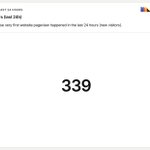
the visitors are the first step. the real test is whether people finish a recording and come back to make a second one. that’s the number i’ll watch next.
recruiting turns into a second job when you do the sourcing, screening and paperwork yourself. at zenstack we handle that part, so you get vetted candidates, a 2-minute video intro from each, and one monthly invoice. zenstack.cc

tracking conversations instead of messages sent is the useful part. a send count rewards effort, a count of real replies shows whether the problem is worth solving.
a small batch with a clear way to count replies beats a big list. five people in each channel is enough to see which one gets answers.
the 3-hour day usually teaches the most, even if it doesn’t look like progress. the 10-task day is just maintenance.
that’s a kinder way to see it. the coffee takes zero effort, so the few minutes saved go to something else.
paying for the tool you could clone is the honest version of this. the weekend you’d spend building it costs more than the subscription.