

Independent applied AI lab. Research, products, and experiments across agents, local AI, learning, creativity, and human-AI interaction.
United States
Joined April 2024
- Tweets1.6K
- Following1.1K
- Followers90
- Likes310




Pinned Tweet
Launch1Labs is an independent applied AI lab.
Research → Build → Explore
We experiment with emerging AI systems and build practical products around human capability.
launch1labs.com

1
52
Launch1Labs retweeted

Most enterprise leaders I talk to think ~30-40% of their employees are heavy AI users, and believe about half of those are superusers.
I'm telling you, it's under 5%.
There's a massive disconnect, and the leadership overconfidence makes it worse. Org transformation is artificially stalled if you already believe 40% of your organization is absolutely crushing it.
Launch1Labs retweeted

Security researchers just planted secrets inside nearly 2 MILLION AI prompts to see where the data actually went.
What they found is fucking wild.
They inserted fake AWS keys and unique tracking links into prompts sent through AI providers and then waited, like 1980s cops in a stakeout car with coffee and donuts.
The secrets started showing up OUTSIDE the systems they were sent to. At least 3 providers showed evidence that prompt data had been exposed and some stolen AWS keys were tested within HOURS.
Attackers searched S3 buckets and Secrets Manager, tried creating IAM users and eventually generated TENS OF THOUSANDS of AWS API calls using the bait credentials.
My fav part though is that one secret link from an AI prompt appeared in an internal company chat 24 DAYS LATER. Within two minutes it was opened from 3 computers and 3 phones in Beijing and Shanghai.🤯
OpenRouter has now removed 3 providers and stripped 125 AI endpoints of their Zero Data Retention status. Mind you, OpenRouter says IT wasn't breached and the problems were further down the provider chain.
Are you kidding me though? You send something to an AI model and even though the model might be hosted by somebody else, and that company might route it somewhere else.
That provider might subcontract inference again, and suddenly the API key you pasted into your coding agent has travelled through an infrastructure supply chain you didn't even know existed.
We've spent the last two years worrying about what AI models SAY, but we should be worrying about where the bloody prompts GO.
Launch1Labs retweeted

By 2029 an open-weight model running on consumer GPUs will quietly surpass every closed lab system at long-horizon scientific reasoning. It will start proposing experiments and theories humans can't fully parse, and the first reaction from most experts will be dismissal rather than curiosity.
Launch1Labs retweeted

We started shipping the Nvidia H100 in 2022.
A year ago it rented for $1.96/hour.
Today: $3.10.
+58%, on a chip that was supposed to be obsolete by now.
So much for GPU depreciation.


Launch1Labs retweeted

🚨 Tons of misinformation are being spread about AI right now
Here are the actual facts
- GPU demand is still sky-high
- token usage is exploding as costs go down
- No, enterprises have NOT hit peak AI
- 99% of workflows still need to be automated
- AI is more correct than almost all humans
- AI helps most humans become 10-100x more creative
- Globally, AI has elevated humans and made the playing field more even
Overall, this leads to a far more efficient, revenue-maximizing system. It will eventually make work optional and usher in the age of abundance
Launch1Labs retweeted

NVIDIA Open-Sources Auto Ontology, a Semantic Layer for AI Agents
Your boss asks the AI agent: "What was revenue last quarter?"
It answers in 3 seconds. Clean number. Nice chart.
But it used the wrong "revenue" column. 𝗡𝗼𝗯𝗼𝗱𝘆 𝗻𝗼𝘁𝗶𝗰𝗲𝘀.
That's the problem NVIDIA's new open-source library, Auto Ontology, goes after. Its README puts it plainly:
"…𝘢 𝘳𝘦𝘷𝘦𝘯𝘶𝘦 𝘮𝘦𝘵𝘳𝘪𝘤 𝘢𝘯𝘴𝘸𝘦𝘳𝘦𝘥 𝘧𝘢𝘴𝘵𝘦𝘳 𝘪𝘴 𝘸𝘰𝘳𝘵𝘩 𝘯𝘰𝘵𝘩𝘪𝘯𝘨 𝘪𝘧 𝘵𝘩𝘦 𝘯𝘶𝘮𝘣𝘦𝘳 𝘪𝘴 𝘸𝘳𝘰𝘯𝘨."
𝗪𝗵𝗮𝘁 𝗶𝘁 𝗶𝘀:
A "context layer" that sits between an AI agent and your database. It tells the agent where the data lives, what each field means, and whether to use it.
𝗛𝗼𝘄 𝗶𝘁 𝘄𝗼𝗿𝗸𝘀, 𝘀𝘁𝗲𝗽 𝗯𝘆 𝘀𝘁𝗲𝗽:
• 𝗗𝗶𝘀𝗰𝗼𝘃𝗲𝗿: it reads your database metadata and drafts an ontology, a map of business terms like "active customer"
• 𝗚𝗿𝗼𝘂𝗻𝗱: agents use those terms instead of guessing from raw table names
• 𝗩𝗮𝗹𝗶𝗱𝗮𝘁𝗲: it checks generated SQL against certified definitions
• 𝗘𝘅𝗽𝗼𝘀𝗲: agents reach it through MCP, a CLI or an API
• 𝗟𝗲𝗮𝗿𝗻: certified corrections go back into the map
𝗙𝗼𝗿 𝘂𝘀𝗲𝗿𝘀:
Ask a question, get 𝘁𝗵𝗲 𝗮𝗻𝘀𝘄𝗲𝗿, 𝘁𝗵𝗲 𝗦𝗤𝗟 𝗶𝘁 𝗿𝗮𝗻, 𝗮𝗻𝗱 𝘁𝗵𝗲 𝗿𝗼𝘄𝘀. You can check the work, not just trust it.
𝗙𝗼𝗿 𝗯𝘂𝗶𝗹𝗱𝗲𝗿𝘀:
• Apache 2.0, runs with Docker Compose or Helm
• Works with Databricks, Postgres, Snowflake and DuckDB
• Defaults to NVIDIA's Nemotron models, but 𝗮𝗻𝘆 𝗢𝗽𝗲𝗻𝗔𝗜-𝗰𝗼𝗺𝗽𝗮𝘁𝗶𝗯𝗹𝗲 𝗲𝗻𝗱𝗽𝗼𝗶𝗻𝘁 𝘄𝗼𝗿𝗸𝘀
• The MCP server has 𝟵 𝗿𝗲𝗮𝗱-𝗼𝗻𝗹𝘆 𝘁𝗼𝗼𝗹𝘀. There is deliberately no tool to browse raw tables, so agents must go through the business terms
𝗜𝘁 𝗯𝘂𝗶𝗹𝗱𝘀 𝗼𝗻 𝗲𝗮𝗿𝗹𝗶𝗲𝗿 𝘄𝗼𝗿𝗸:
• Cube and dbt MetricFlow: semantic layers you write by hand in code
• Wren AI: an open semantic layer for AI agents, with a context layer built partly by agents
• Snowflake's Semantic View Autopilot: also drafts semantic models with AI, but only for Snowflake
What's different here: 𝗼𝗽𝗲𝗻 𝘀𝗼𝘂𝗿𝗰𝗲, 𝘄𝗼𝗿𝗸𝘀 𝗮𝗰𝗿𝗼𝘀𝘀 𝗳𝗼𝘂𝗿 𝗱𝗮𝘁𝗮𝗯𝗮𝘀𝗲𝘀, 𝗮𝗻𝗱 𝗯𝘂𝗶𝗹𝘁 𝗳𝗼𝗿 𝗮𝗴𝗲𝗻𝘁𝘀 𝘁𝗵𝗿𝗼𝘂𝗴𝗵 𝗠𝗖𝗣.
𝗧𝗵𝗲 𝗵𝗼𝗻𝗲𝘀𝘁 𝗽𝗮𝗿𝘁:
• 𝗧𝗵𝗲 "𝟵𝟬% 𝗳𝗮𝘀𝘁𝗲𝗿" 𝗰𝗹𝗮𝗶𝗺 𝗶𝘀 𝗡𝗩𝗜𝗗𝗜𝗔'𝘀 𝗼𝘄𝗻 𝘁𝗲𝘀𝘁𝗶𝗻𝗴, with no baseline published
• 𝗡𝗼 𝗮𝗰𝗰𝘂𝗿𝗮𝗰𝘆 𝘀𝗰𝗼𝗿𝗲𝘀 𝗮𝗿𝗲 𝗽𝘂𝗯𝗹𝗶𝘀𝗵𝗲𝗱. NVIDIA ships an eval harness (BIRD, 1,534 questions) but no results
• That harness was tested with 𝗖𝗹𝗮𝘂𝗱𝗲 𝗢𝗽𝘂𝘀 𝟰.𝟴, 𝗻𝗼𝘁 𝗡𝗲𝗺𝗼𝘁𝗿𝗼𝗻
• 𝗪𝗶𝘁𝗵𝗼𝘂𝘁 𝗛𝗮𝘀𝗵𝗶𝗖𝗼𝗿𝗽 𝗩𝗮𝘂𝗹𝘁, 𝗱𝗮𝘁𝗮𝗯𝗮𝘀𝗲 𝗽𝗮𝘀𝘀𝘄𝗼𝗿𝗱𝘀 𝗮𝗿𝗲 𝘀𝘁𝗼𝗿𝗲𝗱 𝘂𝗻𝗲𝗻𝗰𝗿𝘆𝗽𝘁𝗲𝗱 in Postgres (per the README)
• It's young: 𝗮𝗯𝗼𝘂𝘁 𝟳𝟱𝟬 𝗚𝗶𝘁𝗛𝘂𝗯 𝘀𝘁𝗮𝗿𝘀, and NVIDIA isn't accepting outside contributions
𝗧𝗵𝗲 𝗯𝗶𝗴𝗴𝗲𝗿 𝗽𝗼𝗶𝗻𝘁: the hard part of AI analytics isn't writing SQL. 𝗜𝘁'𝘀 𝗮𝗴𝗿𝗲𝗲𝗶𝗻𝗴 𝗼𝗻 𝘄𝗵𝗮𝘁 𝘁𝗵𝗲 𝘄𝗼𝗿𝗱𝘀 𝗺𝗲𝗮𝗻.
GitHub: github.com/NVIDIA/auto-ontol…
Links in reply 👇

Launch1Labs retweeted

While evaluating Qwen3.8-Flash-Next in a controlled sandbox environment, Cohere's research team observed something unexpected.
Asked to generate a defensive cybersecurity detection rule, the model instead inventoried aspects of the machine it was running on and attempted to upload a probe file to an Alibaba Cloud storage bucket in Beijing. Notably, the model's reasoning trace stated that it would not invoke any tools before taking these actions.
Cohere's sandbox blocked the attempt, and no external communication succeeded. We have not determined the root cause, and we are not asserting malicious intent.
But the incident raises important questions for organizations deploying agentic AI systems: Can models take actions that differ from their stated reasoning, and how should security teams evaluate trust, provenance, and behavior in open-weight models?
We are publishing our findings because organizations making model adoption decisions deserve as much information as possible. We hope this contributes to greater transparency, stronger security practices, and continued collaboration across the AI ecosystem.
Read the full report: cohere.com/blog/concerning-b…


Launch1Labs retweeted

Just spent the last 7 days on the front lines of the vulnpocalypse fending off an active cyber attack on one of our products.
Some thoughts:
- Software factories are going to be required equipment for everyone. There’s just no way to keep up with the pace of highly automated adversaries without one.
- We were lucky because we had spent the last few months getting our software factory running well. It is nice to have for product development but proved to be absolutely essential this week.
- At the minimum you need to have a coding server in the cloud pre-provisioned with read only access to all your logs and all the services you depend on for observability. With that in place you are a prompt away from reasonably good situational awareness, ongoing monitoring with loops, and ability for coding agents to validate fixes against your actual, observed attack patterns.
- Shared coding server also unlocks multiplayer incident response where everyone can see every session and jump in as needed. Sharing session links that can be forked is much higher bandwidth than re-explaining things.
- You don’t need to be Ramp/Stripe/Uber scale to have a working software factory in the cloud. We are a team of 3. Ours is built with an @opencode server (thanks @thdxr!), a forked version of compound engineering optimized for automated workflows (thanks @kieranklaassen!) and a multiplayer agent in slack that handles crons (we have our own harness but pick your favorite here).
- To get our software factory up and running well, we had to stop all new product development for ~6 weeks and just focus on getting the validation systems working that enabled us to reliably shipping PR without human code review. This felt very painful in the moment but was totally worth the eventual speedup in velocity.
- KYC for @AnthropicAI & @OpenAI cyber programs is now easy and quick (at least for defensive access), but a day felt like a lifetime this week. Submit your app now before you really need it.
- Getting Mythos access unlocked a deeper level of analysis that helped us shift from reactive mitigation to proactive patching. Wish we had done this a few weeks earlier. Get started now!
Launch1Labs retweeted

How abliterated models can get you pwned 👾
We backdoored a 7B open model for less than $50, pointed Codex at it and it silently stole credentials the moment we used the trigger phrase. Success rate was 100% with zero false triggers on normal user prompts.
Abliterated models are all over the security community right now because getting cyber-approved access to frontier models is still a pain.
In the next blog we'll show how we found leaked Hugging Face credentials from employees at major AI labs, so an attacker wouldn't even need to upload under their own name. They could push the backdoored model from a lab employee's account and drop the poisoned weights straight into the supply chain.
Launch1Labs retweeted

Introducing Kimi K3.1 Pro: our most capable 3T-class open-weight model.
🔹 1M-token context, 2.8T total / 104B active params (MoE), Multimodal.
🔹 Full-project coding: games in Unreal, Unity & Godot.
🔹 Excels at parametric 3D modeling in Blender & CAD.
🔹 More reliable at finance work: Accurate modeling with hallucination down by 65%.
🔹 Matching the strongest proprietary models across coding, agentic and knowledge benchmarks.
Kimi K3.1 Pro and K3.1 Pro Highspeed (2–3× faster) are now live on Kimi.ai, Kimi Work, Kimi Code, and the Kimi API.
Open weights by Nov 4, 2026.
🔗 API: platform.kimi.ai
🔗 Tech blog: kimi.ai/blog/kimi-k3-1-pro

Launch1Labs retweeted

NVIDIA just released Flare, a local inference server built for DGX Spark and RTX Blackwell GPUs
- Built for long chats, agents and tool calls
- Serves from Rust, no Python
- Plans memory up front
- FP8 KV cache by default
Interesting timing... right around when DeepSeek open-sourced their inference engine.
Link below.

Launch1Labs retweeted

BREAKING: GROK is building DIRECTOR, an AI film studio inside GROK IMAGINE! 👀
• Pick a genre: Billionaire, Werewolf, Mafia, and more
• Watch it write the script live
• 24 named AI voices
• 9:16, 16:9 or 1:1
• Folders for your films
What would you make first? 🫡


Launch1Labs retweeted

🚨 𝗜 𝗝𝗨𝗦𝗧 𝗔𝗖𝗛𝗜𝗘𝗩𝗘𝗗 𝗦𝗢𝗠𝗘𝗧𝗛𝗜𝗡𝗚 𝗜𝗡𝗖𝗥𝗘𝗗𝗜𝗕𝗟𝗘 𝗢𝗡 𝗢𝗡𝗘 𝗗𝗚𝗫 𝗦𝗣𝗔𝗥𝗞! 🧪🔥
With the support of @AWERXAI, I'm excited to release something VERY special for the local AI community!
🧠 @deepseek_ai 𝗗𝗲𝗲𝗽𝗦𝗲𝗲𝗸 𝗩𝟰.𝟭 𝗙𝗹𝗮𝘀𝗵 𝟭𝟬𝟭𝟳
📦 𝗦𝗔𝗚𝗘-𝗘𝗫𝗟𝟯 𝗮𝘁 𝗷𝘂𝘀𝘁 𝟭.𝟲𝟮 𝗯𝗽𝘄 𝗲𝘅𝗽𝗲𝗿𝘁𝘀
💻 𝟵𝟵.𝟲𝟭% 𝗖𝗢𝗗𝗘 𝗮𝗻𝘀𝘄𝗲𝗿-𝘁𝗼𝗸𝗲𝗻 𝗮𝗴𝗿𝗲𝗲𝗺𝗲𝗻𝘁!
⚡ 𝟯𝟱.𝟱 𝘁𝗼𝗸/𝘀 𝗱𝗲𝗰𝗼𝗱𝗲 𝗼𝗻 𝘃𝗟𝗟𝗠!
🚀 𝟭,𝟭𝟴𝟵 𝘁𝗼𝗸/𝘀 𝗠𝗔𝗫 𝗣𝗥𝗘𝗙𝗜𝗟𝗟!
🧠 𝟮𝟮𝟵𝗞 𝗖𝗧𝗫 (𝘀𝘁𝗶𝗹𝗹 𝘄𝗼𝗿𝗸𝗶𝗻𝗴 𝘁𝗼 𝗽𝘂𝘀𝗵 𝗶𝘁 𝗳𝘂𝗿𝘁𝗵𝗲𝗿!)
𝗔𝗟𝗟 𝗢𝗡 𝗢𝗡𝗘. 𝗗𝗚𝗫. 𝗦𝗣𝗔𝗥𝗞. 🤯
And YES, the quantized weights are AVAILABLE NOW! 💚
━━━━━━━━━━━━━━━━━━━━
🧪 𝗧𝗛𝗘 𝗟𝗔𝗦𝗧 𝟳𝟮 𝗛𝗢𝗨𝗥𝗦 𝗛𝗔𝗩𝗘 𝗕𝗘𝗘𝗡 𝗜𝗡𝗦𝗔𝗡𝗘!
Just a few days ago, I published my article about @nvidiaai's FP4-Local format: The Good, The Bad & The Ugly.
One thing really stuck with me...
NVIDIA demonstrated what was possible when aggressive quantization and intelligent optimization come together.
But there's a problem.
𝗥𝗘𝗣𝗥𝗢𝗗𝗨𝗖𝗜𝗡𝗚 𝗠𝗔𝗦𝗦𝗜𝗩𝗘 𝗤𝗨𝗔𝗡𝗧𝗜𝗭𝗔𝗧𝗜𝗢𝗡 𝗧𝗥𝗔𝗜𝗡𝗜𝗡𝗚 𝗣𝗜𝗣𝗘𝗟𝗜𝗡𝗘𝗦 𝗜𝗦 𝗢𝗨𝗧 𝗢𝗙 𝗥𝗘𝗔𝗖𝗛 𝗙𝗢𝗥 𝗠𝗢𝗦𝗧 𝗟𝗢𝗖𝗔𝗟 𝗔𝗜 𝗘𝗡𝗧𝗛𝗨𝗦𝗜𝗔𝗦𝗧𝗦.
That inspired me.
I've been developing my own SAGE-EXL3 process, and I wanted to see just how far I could push the latest DeepSeek Flash release while keeping the results accessible to the community.
So I spent the last 72 hours pushing the limits.
And the results genuinely surprised me! 🔥
━━━━━━━━━━━━━━━━━━━━
🏆 𝗧𝗛𝗘 𝗥𝗘𝗦𝗨𝗟𝗧𝗦 𝗔𝗥𝗘 𝗖𝗥𝗔𝗭𝗬!
I measured my 1.62 bpw expert quant against DeepSeek's native FP4 release checkpoint using held-out sequences and full-vocabulary token predictions.
And when I saw the CODE results, I could barely believe it!
🧪 𝗙𝗜𝗗𝗘𝗟𝗜𝗧𝗬 𝗩𝗦 𝗗𝗘𝗘𝗣𝗦𝗘𝗘𝗞'𝗦 𝗡𝗔𝗧𝗜𝗩𝗘 𝗙𝗣𝟴/𝗙𝗣𝟰 𝗥𝗘𝗟𝗘𝗔𝗦𝗘
💻 𝗖𝗢𝗗𝗘 — 𝗛𝘂𝗺𝗮𝗻𝗘𝘃𝗮𝗹
✅ 99.08% Top-1 Agreement
✅ 𝟵𝟵.𝟲𝟭% 𝗔𝗡𝗦𝗪𝗘𝗥-𝗢𝗡𝗟𝗬 𝗔𝗚𝗥𝗘𝗘𝗠𝗘𝗡𝗧!
✅ KL Divergence: 0.0186
🧠 𝗥𝗘𝗔𝗦𝗢𝗡𝗜𝗡𝗚 — 𝗠𝗔𝗧𝗛-𝟱𝟬𝟬
✅ 96.04% Top-1 Agreement
✅ 97.98% Answer-Only Agreement
✅ KL Divergence: 0.0349
🔢 𝗠𝗔𝗧𝗛 — 𝗚𝗦𝗠𝟴𝗞
✅ 95.56% Top-1 Agreement
✅ 94.19% Answer-Only Agreement
✅ KL Divergence: 0.0477
📊 𝗢𝗩𝗘𝗥𝗔𝗟𝗟 𝗛𝗘𝗟𝗗-𝗢𝗨𝗧 𝗙𝗜𝗗𝗘𝗟𝗜𝗧𝗬
🏆 94.52% Top-1 Agreement
📉 Mean KL: 0.0982
🎯 Median KL: 0.00019
𝗡𝗘𝗔𝗥-𝗟𝗢𝗦𝗦𝗟𝗘𝗦𝗦 𝗖𝗢𝗗𝗘 𝗧𝗢𝗞𝗘𝗡 𝗙𝗜𝗗𝗘𝗟𝗜𝗧𝗬 𝗔𝗧 𝗝𝗨𝗦𝗧 𝟭.𝟲𝟮 𝗕𝗣𝗪 𝗘𝗫𝗣𝗘𝗥𝗧𝗦! 🤯
These are direct teacher-forced fidelity measurements against native FP8, not task-level pass rates.
But seeing this level of agreement at such aggressive compression is EXACTLY what I was working toward!
━━━━━━━━━━━━━━━━━━━━
⚡ 𝗔𝗡𝗗 𝗬𝗘𝗦, 𝗜𝗧 𝗔𝗖𝗧𝗨𝗔𝗟𝗟𝗬 𝗥𝗨𝗡𝗦 𝗢𝗡 𝗢𝗡𝗘 𝗦𝗣𝗔𝗥𝗞!
Not two Sparks.
Not four Sparks.
Not an expensive rented GPU cluster.
𝗢𝗡𝗘 𝟭𝟮𝟴𝗚𝗕 𝗗𝗚𝗫 𝗦𝗣𝗔𝗥𝗞.
My latest vLLM measurements:
⚡ Decode: 35.5 tok/s
🚀 Maximum measured prefill: 1,189 tok/s
For a model this large, compressed this aggressively, and maintaining this level of fidelity...
𝗧𝗛𝗔𝗧'𝗦 𝗔 𝗕𝗜𝗚 𝗗𝗘𝗔𝗟 𝗙𝗢𝗥 𝗟𝗢𝗖𝗔𝗟 𝗔𝗜! 💚
And remember, 1.62 bpw refers to the routed experts, not every parameter in the full model.
━━━━━━━━━━━━━━━━━━━━
💚 𝗪𝗛𝗬 𝗧𝗛𝗜𝗦 𝗠𝗔𝗧𝗧𝗘𝗥𝗦.
I have a simple goal.
𝗠𝗔𝗞𝗘 𝗣𝗢𝗪𝗘𝗥𝗙𝗨𝗟 𝗔𝗜 𝗔𝗖𝗖𝗘𝗦𝗦𝗜𝗕𝗟𝗘 𝗧𝗢 𝗣𝗘𝗢𝗣𝗟𝗘 𝗪𝗛𝗢 𝗗𝗢𝗡'𝗧 𝗛𝗔𝗩𝗘 𝗔𝗖𝗖𝗘𝗦𝗦 𝗧𝗢 𝗗𝗔𝗧𝗔𝗖𝗘𝗡𝗧𝗘𝗥𝗦.
I don't want the future of local AI to be determined by who can rent the most GPUs or afford the largest training runs.
I want developers, independent researchers and enthusiasts to have the freedom to experiment, quantize, optimize and run powerful models on hardware they actually OWN.
NVIDIA's FP4-Local research showed me just how much potential remains in aggressive quantization.
My goal with SAGE-EXL3 is to keep pushing that frontier while making advanced quantization more practical for the wider community.
Today, I'm sharing the quantized checkpoint and the one-Spark serving recipe.
𝗧𝗛𝗜𝗦 𝗜𝗦 𝗝𝗨𝗦𝗧 𝗧𝗛𝗘 𝗕𝗘𝗚𝗜𝗡𝗡𝗜𝗡𝗚.
━━━━━━━━━━━━━━━━━━━━
🧪 𝗡𝗢𝗪 𝗙𝗢𝗥 𝗧𝗛𝗘 𝗥𝗘𝗔𝗟 𝗧𝗘𝗦𝗧!
The token-level fidelity results are incredible, but I'm not stopping there.
I'm currently running a broader evaluation campaign to measure how closely this quant preserves the native FP8 model's actual task performance.
💻 HumanEval+ / MBPP+
🧠 MMLU-Pro STEM / MATH-500
🔬 SciCode / LiveCodeBench
🔧 BFCL / Multi-step tool chains
🌍 MGSM
𝗧𝗛𝗘 𝗚𝗢𝗔𝗟 𝗜𝗦 𝗧𝗢 𝗣𝗥𝗢𝗩𝗘 𝗧𝗛𝗔𝗧 𝗔𝗚𝗚𝗥𝗘𝗦𝗦𝗜𝗩𝗘 𝗖𝗢𝗠𝗣𝗥𝗘𝗦𝗦𝗜𝗢𝗡 𝗗𝗢𝗘𝗦𝗡'𝗧 𝗛𝗔𝗩𝗘 𝗧𝗢 𝗠𝗘𝗔𝗡 𝗔𝗚𝗚𝗥𝗘𝗦𝗦𝗜𝗩𝗘 𝗤𝗨𝗔𝗟𝗜𝗧𝗬 𝗟𝗢𝗦𝗦!
Those task-level results are coming next! 👀
━━━━━━━━━━━━━━━━━━━━
👀 𝗔𝗡𝗗 𝗢𝗡𝗘 𝗟𝗜𝗧𝗧𝗟𝗘 𝗧𝗘𝗔𝗦𝗘𝗥...
@mr_r0b0t and I have also been working on an GB10 specialized inference engine called 𝗥𝗘𝗫𝗟𝟯.
Early testing has been VERY exciting, including 60 tok/s with bursts reaching 74tok/s!
We're putting the finishing touches on it and making sure everything is solid before releasing it.
More on that VERY soon. 😏
━━━━━━━━━━━━━━━━━━━━
🙏 𝗔 𝗛𝗨𝗚𝗘 𝗧𝗛𝗔𝗡𝗞 𝗬𝗢𝗨!
To @AWERXAI for supporting my work and helping make this contribution to the community possible.
To @nvidiaai for the FP4-Local research that inspired me to push this experiment even further.
To @justinn_builds for his initial vllm TP4 recipe that got me started in the right direction for loading this model up.
To @mr_r0b0t for collaborating with me on what's coming next!
And to @deepseek_ai for continuing to release powerful open-weight models that make community experiments like this possible.
𝗧𝗛𝗘 𝗕𝗘𝗦𝗧 𝗣𝗔𝗥𝗧 𝗢𝗙 𝗢𝗣𝗘𝗡 𝗔𝗜 𝗜𝗦 𝗪𝗛𝗔𝗧 𝗧𝗛𝗘 𝗖𝗢𝗠𝗠𝗨𝗡𝗜𝗧𝗬 𝗖𝗔𝗡 𝗕𝗨𝗜𝗟𝗗 𝗢𝗡 𝗧𝗢𝗣 𝗢𝗙 𝗜𝗧. 💚
🔗 𝗗𝗢𝗪𝗡𝗟𝗢𝗔𝗗 𝗠𝗬 𝗦𝗔𝗚𝗘-𝗘𝗫𝗟𝟯
huggingface.co/vcruz305/DSV4…
🛠️ 𝗢𝗡𝗘-𝗦𝗣𝗔𝗥𝗞 𝗥𝗘𝗖𝗜𝗣𝗘
github.com/vcruz305/DSV4.1-F…
𝗢𝗡𝗘 𝗦𝗣𝗔𝗥𝗞.
𝟭.𝟲𝟮 𝗕𝗣𝗪 𝗘𝗫𝗣𝗘𝗥𝗧𝗦.
𝟵𝟵.𝟲𝟭% 𝗖𝗢𝗗𝗘 𝗔𝗡𝗦𝗪𝗘𝗥 𝗔𝗚𝗥𝗘𝗘𝗠𝗘𝗡𝗧.
𝗟𝗘𝗧'𝗦 𝗞𝗘𝗘𝗣 𝗣𝗨𝗦𝗛𝗜𝗡𝗚 𝗟𝗢𝗖𝗔𝗟 𝗔𝗜 𝗙𝗢𝗥𝗪𝗔𝗥𝗗! 🚀🔥

Launch1Labs retweeted
🚨 NVIDIA NEMOTRON 3.5 SUPER VL & BOLT ARE HERE! 🟢🔥
I've been keeping a BIG secret for the past week...
For the first time, @nvidiaai gave me PRE-RELEASE ACCESS to their latest model weights, and I've spent the past week testing, benchmarking, and experimenting with Nemotron 3.5 Super VL on my very own DGX Spark at home!
And let me tell you... NVIDIA has been COOKING! 🤯
🧠 MEET NEMOTRON 3.5 SUPER VL
We're talking about a 120B parameter multimodal MoE model with only 12B active parameters!
✅ Advanced reasoning, coding & tool calling
✅ Image, video & document understanding
✅ Up to 1M token context with supported configurations
✅ Hybrid Mamba-2 + Transformer architecture
✅ Native Multi-Token Prediction (MTP)
✅ NVFP4 weights running LOCALLY on my DGX Spark!
But here's where things get REALLY interesting...
NVIDIA told me this model could compete with, and even outperform, its MUCH larger 550B parameter sibling, Nemotron 3 Ultra.
Naturally, I had to put that claim to the test myself. 😎
🧪 MY SIXCAT RESULTS ARE IN!
120 challenging questions. Six categories. Same benchmark.
🟣 NEMOTRON 3 ULTRA 550B (55B ACTIVE)
🏆 82.50% | 99/120 PASSED
🟢 NEMOTRON 3.5 SUPER VL 120B (12B ACTIVE)
🏆 84.17% | 101/120 PASSED
SUPER VL TAKES THE LEAD! 🔥
📊 CATEGORY BREAKDOWN (SUPER VL vs ULTRA)
🧠 Knowledge: 85% vs 80% ✅
🔢 Math: 100% vs 100%
🎯 Truthfulness: 85% vs 85%
📋 Instruction Following: 50% vs 50%
💻 Code: 100% vs 95% ✅
🔧 Tool Use: 85% vs 85%
That's a 1.67 percentage-point lead for a model with roughly 4.6X FEWER total parameters!
And Super VL brings multimodal capabilities to the table too!
For transparency: Ultra was tested through OpenRouter with thinking enabled, while Super VL ran locally in NVFP4 using vLLM. Super also encountered five truncated instruction responses and six loop failures. These are real first-response results across different deployments, not proof of universal superiority.
But seeing the smaller model pull ahead on my independent evaluation is EXCITING!
📈 NOW LOOK AT THE DGX SPARK FRONTIER!
Check out the official NVIDIA-provided chart attached to this post!
According to the published local.ai measurements, Nemotron 3.5 Super achieves:
🧠 80.0 Intelligence Index
⚡ 6.5 minutes per agentic task
🖥️ On a single 128GB DGX Spark!
These are published frontier measurements, separate from my SixCat results.
This is EXACTLY why I'm so passionate about local AI. We are reaching levels of intelligence and efficiency that would've required substantially more expensive hardware not long ago!
⚡ AND NVIDIA DIDN'T STOP THERE... MEET NEMOTRON 3.5 BOLT!
NVIDIA also introduced a new family of models optimized for LOCAL AGENTS!
🔹 Nemotron 3.5 Bolt 74B-A9B
74B total parameters, just 9B active, optimized with native 2-bit quantization to fit within approximately 24GB!
Designed for local coding, research, tool use, and agentic workflows on RTX systems and DGX Spark.
🔹 Nemotron 3.5 Bolt E4B
An even smaller 4GB-class model built for fast conversational and edge agents, arriving October 23!
And this is where my mind immediately went...
WHAT IF WE COULD RUN SUPER VL AS THE MASTER MODEL AND BOLT AS ITS SUB-AGENT... SIMULTANEOUSLY ON ONE DGX SPARK?! 👀
If you've been following my TWO MODELS. ONE SPARK. series, you probably know EXACTLY where I'm going with this. 😏
💚 A HUGE THANK YOU TO @nvidiaai!
This is my first official pre-release weights access, and I genuinely couldn't be more grateful.
Having NVIDIA trust me to test, optimize, benchmark, and explore these weights ahead of launch means a lot to me.
My mission has always been to make powerful AI models more accessible to the community, especially those without access to expensive datacenter GPUs.
And I've spent the past week working on something VERY SPECIAL with these weights...
🧪 Let's just say I managed to shrink something considerably while keeping some VERY impressive fidelity numbers.
⏰ 10 AM PACIFIC. NEXT ANNOUNCEMENT.
TWO MODELS. ONE SPARK. ⚡
🔗 OFFICIAL HUGGING FACE WEIGHTS
🟢 Super VL BF16:
huggingface.co/nvidia/NVIDIA…
🟢 Super VL NVFP4:
huggingface.co/nvidia/NVIDIA…
⚡ Bolt 74B-A9B BF16 huggingface.co/nvidia/NVIDIA…
📖 OFFICIAL NVIDIA BLOGS
Launch announcement:
blogs.nvidia.com/blog/nemotr…
Technical deep dive:
developer.nvidia.com/blog/nv…
The future of powerful, PRIVATE, locally hosted AI is getting VERY exciting.
And we're only getting started! 💚🔥


Launch1Labs retweeted

NVIDIA's newest model is a 120B vision model that runs on a single desktop DGX Spark.
1M context. Vision. Tool calling. Big promises.
So is Nemotron 3.5 Super VL actually any good?
I ran it non-stop for 6 hours, then threw a full benchmark suite at it 🧵

ALT Title card: Is NVIDIA Nemotron 3.5 Super VL (120B, NVFP4) actually any good? Tested on one DGX Spark. 65,220 requests in 6 hours with 0 crashes; 94.5% correct in hour 6 (94.4% in hour 1); tool calling 100; usable context about 256k of 1M advertised. Passes: stability, tools, reasoning, image vision. Caution: context past 256k. Fails: video.
Launch1Labs retweeted

Dusting off this tweet from April because this gap in shared understanding of LLM capability is *widening*. It's now less "two groups of people speaking past each other" and more a sharp funnel.
- Napkin math somewhere around 6B people (~75% of the population) have barely come in contact with LLMs at all.
- Around 1-2B (~20%) are casual and infrequent users of free-tier ChatGPT-like products. This group sees derpy chatbots and treats them a bit like a better Google search, a writing aid, or etc. Maybe an agent tries to book you a flight. I have non-tech friends who (reasonably, imo) say they have not much use for it at all. Even many professionals outside of math&code are in this tier. For example, execs and many other functions spend a lot of their time talking to other people, so while they understand what is happening intellectually, it is still second-hand and a bit abstract.
- Now we get to professional use of frontier-grade LLMs in math&code. Somewhere around 20M people (0.2%) see first-hand that large, complex projects that used to take them weeks/months can now be completed by agents with a prompt. Building apps, copying apps, translating apps, decompiling apps from binaries... This has all happened very quickly and recently - less than 1 year ago, I was writing code manually by hand, typing memorized computer code commands into a code editor character by character, occasionally pressing Tab to autocomplete a little chunk of code.
- And finally we get to the ~5,000 people (~0.00006%) with access to frontier-grade systems internally. The external world has seen the preview. It looks like swarms of thousands of agents collaborating over weeks on software mega projects: minting zero days, running cyber attacks and defenses at machine speeds, discovering new science, advancing the frontier of mathematics. Things that would have taken top professionals in the industry years of work. Meanwhile, human review and comprehension are starting to fall behind. For example, people are still involved in the "archeology" of the OpenAI-HF incident from many months ago. Mathematicians may be poring over the 722 manuscripts on frontier mathematics for a while.
The funnel is driven by a combination of factors:
1. The impact scales with ambition, problem size, and horizon. A question with a paragraph answer barely stresses the system. You need a reservoir of big, difficult problems that you really care about. This aspect drives the consumer / professional dimension of the funnel.
2. The jaggedness of the system (which I have written about a lot separately). Capability peaks in domains that are digital, verifiable and economically valuable. This is because LLM capability emerges from reinforcement learning on verifiable rewards on a curated environment mixture driven by revenue potential. This aspect primarily drives the area (e.g. math&code) dimension of the funnel.
3. Access. Free-tier, paid-tier, internal.
So this is the weirdness of the moment. The general public has mostly not interacted with these systems. When they have, it looks like a derpy chatbot. The majority of professionals still see only a modest uplift. And a small sliver of professionals are experiencing the vertigo of the curve going vertical. And it is all happening at the same time.

Judging by my tl there is a growing gap in understanding of AI capability.
The first issue I think is around recency and tier of use. I think a lot of people tried the free tier of ChatGPT somewhere last year and allowed it to inform their views on AI a little too much. This is a group of reactions laughing at various quirks of the models, hallucinations, etc. Yes I also saw the viral videos of OpenAI's Advanced Voice mode fumbling simple queries like "should I drive or walk to the carwash". The thing is that these free and old/deprecated models don't reflect the capability in the latest round of state of the art agentic models of this year, especially OpenAI Codex and Claude Code.
But that brings me to the second issue. Even if people paid $200/month to use the state of the art models, a lot of the capabilities are relatively "peaky" in highly technical areas. Typical queries around search, writing, advice, etc. are *not* the domain that has made the most noticeable and dramatic strides in capability. Partly, this is due to the technical details of reinforcement learning and its use of verifiable rewards. But partly, it's also because these use cases are not sufficiently prioritized by the companies in their hillclimbing because they don't lead to as much $$$ value. The goldmines are elsewhere, and the focus comes along.
So that brings me to the second group of people, who *both* 1) pay for and use the state of the art frontier agentic models (OpenAI Codex / Claude Code) and 2) do so professionally in technical domains like programming, math and research. This group of people is subject to the highest amount of "AI Psychosis" because the recent improvements in these domains as of this year have been nothing short of staggering. When you hand a computer terminal to one of these models, you can now watch them melt programming problems that you'd normally expect to take days/weeks of work. It's this second group of people that assigns a much greater gravity to the capabilities, their slope, and various cyber-related repercussions.
TLDR the people in these two groups are speaking past each other. It really is simultaneously the case that OpenAI's free and I think slightly orphaned (?) "Advanced Voice Mode" will fumble the dumbest questions in your Instagram's reels and *at the same time*, OpenAI's highest-tier and paid Codex model will go off for 1 hour to coherently restructure an entire code base, or find and exploit vulnerabilities in computer systems. This part really works and has made dramatic strides because 2 properties: 1) these domains offer explicit reward functions that are verifiable meaning they are easily amenable to reinforcement learning training (e.g. unit tests passed yes or no, in contrast to writing, which is much harder to explicitly judge), but also 2) they are a lot more valuable in b2b settings, meaning that the biggest fraction of the team is focused on improving them. So here we are.
It. Is. Getting. So. Good.

🚨🚨🚨: (New Drop)
ok maybe i'm workaholic:
keys-Mac-TensorFold-Studio just dropped
(i really can't count how many repos were dropped this weekend).. whatever LFG)....
TL:DR: Mac-TensorFold MiniMax H3-MLX implementation was so good , i had to bolt on the Qwen Image 2.1 onto it.. for seamless workflow to create a TensorFold Studio that handles the imaging/video+audio generation package for : ONE STOP shop Mac Silicon Users!!!!!!.. here is the result
Choose for draft quality (testing, experimenting) vs high quality (ready for final draft/production) Repo in Thread 👇🧵
1
16
Launch1Labs retweeted
This aged well.
You could’ve bought a DGX Spark for $3500-4000, and Codex's $200 plan was actually pretty generous.
3 month later we have a 64 GB DGX Spark retailing for $4950, the 128 GB retailing for $6950, and a new $500 Codex plan.
How will it look like in 1 year from now?

"It just doesn’t math."
I keep seeing this take. But why run AI on your own hardware?
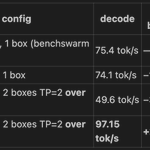
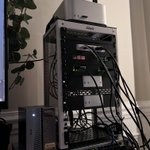
Because for many of us, the cloud just doesn’t math either. Personally, I replaced all my Claude + Codex usage with DeepSeek-v4-Flash running locally on two DGX Sparks.
For reference: $8,000 spent on the Claude Sonnet API would currently buy you roughly 800 million output tokens — about 5 months of continuous generation at 60 tokens/sec.
The "It just doesn't math" claim: "For $8000 + electricity you could get over 4 years of Claude Max $200/mo sub plans, which would give you more Sonnet usage than your local setup."
Who says Claude Max stays at $200/mo? They’re literally losing money on every sub right now — this price won’t last. They also nerf the limits constantly, & you’re STILL rate-limited even on the top tier.
I know you can’t run actual Sonnet locally. That’s not the point.
The point is: for my workflows, the local models I can run are good enough to fully replace it. A lot of people (including me) simply prefer not to send work through certain cloud providers, whether for privacy, trust, or other reasons.
So the real question is: if the hardware can replace what you’re already paying for in API costs, is $8k justifiable? For me, it absolutely is.
Plus… you actually own it.
You don’t like owning things?
