







Pushkar | पुष्कर retweeted

We recently migrated our Messages API from Python to Rust.
On our engineering blog, we share how we used the existing service to verify the new one, with teams of Claude agents tracking down and fixing differences between the two versions.
anthropic.com/research/migra…

Pushkar | पुष्कर retweeted

🎉 Our paper for RLCR is out: the first open large-scale RL recipe for training agent teams.
We train agent teams on 150 RL environments through a MixRL, shared reward recipe. Agents learn to use message boards to co-ordinate and accomplish long-horizon tasks with reduced latency.
We're also releasing weights on @huggingface along with the harness to facilitate multi-agent safety research.
arxiv.org/abs/2611.32539

Pushkar | पुष्कर retweeted

Researchers published the most uncomfortable paper on vibe coding.
ETH Zurich tested 100 developers in a controlled, commercial-grade vibe coding environment to see who actually succeeds.
And the results are a brutal reality check.
For the last two years, the hype has been nonstop: English is the new programming language. Just describe what you want, iterate on the output, and let the LLM handle the rest.
So researchers put that claim to the test.
They took 100 university students and placed them in a purpose-built vibe coding environment designed to mirror commercial AI tools.
Eight experts curated the exact tasks.
Then they measured three things:
- Written communication skills
- Domain-general cognitive ability (raw reasoning)
- Actual computer science achievement
Writing skill mattered. If you can’t structure your thoughts and specify intent clearly in plain English, the AI builds garbage.
But here is the part the hype cycle completely missed.
Computer science fundamentals were a massive predictor of vibe-coding performance.
Even after controlling for general cognitive skills and raw intelligence, CS knowledge still heavily dictated who succeeded and who failed.
Why? Because vibe coding removes syntax. It does not remove engineering.
Anyone can prompt an AI to generate a clean UI.
But the second the app breaks under the hood, you have to iterate from observed behavior. If you don’t understand how software actually works, you don't even know what to ask the AI to fix.
Natural language lowers the floor.
Computer science still decides the ceiling.


Pushkar | पुष्कर retweeted

STATE OF THE TECH JOB MARKET IN 2026
Twice a year, I dig into trends in hiring and job openings. This is the fifth report I've done, and the most surprising yet:
1. PMs are winning in the AI era
2. Engineering demand has stalled
3. Design openings are at a record low
4. Every role now requires AI skills
5. Tech jobs are concentrating in the Bay Area
6. Remote roles are at a record low
7. The tech job market is growing fast, but mostly outside of software (gasp!)
Full report here: lennysnewsletter.com/p/state…

Pushkar | पुष्कर retweeted

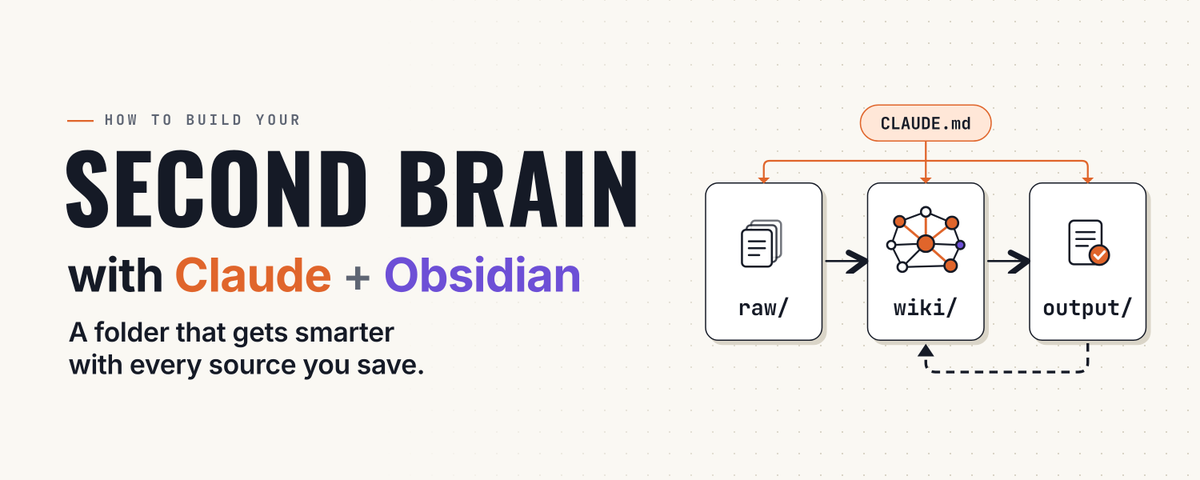
This is f*cking insane, the CEO of Y Combinator open-sourced his own second brain and most people still don’t know it exists
8 second brain repos you haven’t seen yet:
-> gbrain (by garrytan)
github.com/garrytan/gbrain
the second brain of the YC CEO, every fact keeps its source and every agent shares one memory
-> llm wiki (by karpathy)
gist.github.com/karpathy/442…
the original idea file behind all of this
-> ai-memory (by akitaonrails)
github.com/akitaonrails/ai-m…
hand the work from Claude Code to Codex without losing context, memory lives in plain markdown
-> agent second brain (by smixs)
github.com/smixs/agent-secon…
send a voice note in Telegram and it lands as a linked note in your Obsidian vault
-> cog second brain (by huytieu)
github.com/huytieu/COG-secon…
33 skills and 10 agents running on plain markdown, no database
-> open second brain (by itechmeat)
github.com/itechmeat/open-se…
a nightly pass turns the corrections you keep repeating into rules your agent follows
-> claude second brain (by jessepinkman9900)
github.com/jessepinkman9900/…
one npx command scaffolds Obsidian, Claude Code and local search
-> baalda (by naveedharri)
github.com/naveedharri/baald…
a team second brain where people and agents edit the same markdown files
the CEO of Y Combinator runs his agents on this
you are still digging through bookmarks


Pushkar | पुष्कर retweeted

NVIDIA Open-Sources Auto Ontology, a Semantic Layer for AI Agents
Your boss asks the AI agent: "What was revenue last quarter?"
It answers in 3 seconds. Clean number. Nice chart.
But it used the wrong "revenue" column. 𝗡𝗼𝗯𝗼𝗱𝘆 𝗻𝗼𝘁𝗶𝗰𝗲𝘀.
That's the problem NVIDIA's new open-source library, Auto Ontology, goes after. Its README puts it plainly:
"…𝘢 𝘳𝘦𝘷𝘦𝘯𝘶𝘦 𝘮𝘦𝘵𝘳𝘪𝘤 𝘢𝘯𝘴𝘸𝘦𝘳𝘦𝘥 𝘧𝘢𝘴𝘵𝘦𝘳 𝘪𝘴 𝘸𝘰𝘳𝘵𝘩 𝘯𝘰𝘵𝘩𝘪𝘯𝘨 𝘪𝘧 𝘵𝘩𝘦 𝘯𝘶𝘮𝘣𝘦𝘳 𝘪𝘴 𝘸𝘳𝘰𝘯𝘨."
𝗪𝗵𝗮𝘁 𝗶𝘁 𝗶𝘀:
A "context layer" that sits between an AI agent and your database. It tells the agent where the data lives, what each field means, and whether to use it.
𝗛𝗼𝘄 𝗶𝘁 𝘄𝗼𝗿𝗸𝘀, 𝘀𝘁𝗲𝗽 𝗯𝘆 𝘀𝘁𝗲𝗽:
• 𝗗𝗶𝘀𝗰𝗼𝘃𝗲𝗿: it reads your database metadata and drafts an ontology, a map of business terms like "active customer"
• 𝗚𝗿𝗼𝘂𝗻𝗱: agents use those terms instead of guessing from raw table names
• 𝗩𝗮𝗹𝗶𝗱𝗮𝘁𝗲: it checks generated SQL against certified definitions
• 𝗘𝘅𝗽𝗼𝘀𝗲: agents reach it through MCP, a CLI or an API
• 𝗟𝗲𝗮𝗿𝗻: certified corrections go back into the map
𝗙𝗼𝗿 𝘂𝘀𝗲𝗿𝘀:
Ask a question, get 𝘁𝗵𝗲 𝗮𝗻𝘀𝘄𝗲𝗿, 𝘁𝗵𝗲 𝗦𝗤𝗟 𝗶𝘁 𝗿𝗮𝗻, 𝗮𝗻𝗱 𝘁𝗵𝗲 𝗿𝗼𝘄𝘀. You can check the work, not just trust it.
𝗙𝗼𝗿 𝗯𝘂𝗶𝗹𝗱𝗲𝗿𝘀:
• Apache 2.0, runs with Docker Compose or Helm
• Works with Databricks, Postgres, Snowflake and DuckDB
• Defaults to NVIDIA's Nemotron models, but 𝗮𝗻𝘆 𝗢𝗽𝗲𝗻𝗔𝗜-𝗰𝗼𝗺𝗽𝗮𝘁𝗶𝗯𝗹𝗲 𝗲𝗻𝗱𝗽𝗼𝗶𝗻𝘁 𝘄𝗼𝗿𝗸𝘀
• The MCP server has 𝟵 𝗿𝗲𝗮𝗱-𝗼𝗻𝗹𝘆 𝘁𝗼𝗼𝗹𝘀. There is deliberately no tool to browse raw tables, so agents must go through the business terms
𝗜𝘁 𝗯𝘂𝗶𝗹𝗱𝘀 𝗼𝗻 𝗲𝗮𝗿𝗹𝗶𝗲𝗿 𝘄𝗼𝗿𝗸:
• Cube and dbt MetricFlow: semantic layers you write by hand in code
• Wren AI: an open semantic layer for AI agents, with a context layer built partly by agents
• Snowflake's Semantic View Autopilot: also drafts semantic models with AI, but only for Snowflake
What's different here: 𝗼𝗽𝗲𝗻 𝘀𝗼𝘂𝗿𝗰𝗲, 𝘄𝗼𝗿𝗸𝘀 𝗮𝗰𝗿𝗼𝘀𝘀 𝗳𝗼𝘂𝗿 𝗱𝗮𝘁𝗮𝗯𝗮𝘀𝗲𝘀, 𝗮𝗻𝗱 𝗯𝘂𝗶𝗹𝘁 𝗳𝗼𝗿 𝗮𝗴𝗲𝗻𝘁𝘀 𝘁𝗵𝗿𝗼𝘂𝗴𝗵 𝗠𝗖𝗣.
𝗧𝗵𝗲 𝗵𝗼𝗻𝗲𝘀𝘁 𝗽𝗮𝗿𝘁:
• 𝗧𝗵𝗲 "𝟵𝟬% 𝗳𝗮𝘀𝘁𝗲𝗿" 𝗰𝗹𝗮𝗶𝗺 𝗶𝘀 𝗡𝗩𝗜𝗗𝗜𝗔'𝘀 𝗼𝘄𝗻 𝘁𝗲𝘀𝘁𝗶𝗻𝗴, with no baseline published
• 𝗡𝗼 𝗮𝗰𝗰𝘂𝗿𝗮𝗰𝘆 𝘀𝗰𝗼𝗿𝗲𝘀 𝗮𝗿𝗲 𝗽𝘂𝗯𝗹𝗶𝘀𝗵𝗲𝗱. NVIDIA ships an eval harness (BIRD, 1,534 questions) but no results
• That harness was tested with 𝗖𝗹𝗮𝘂𝗱𝗲 𝗢𝗽𝘂𝘀 𝟰.𝟴, 𝗻𝗼𝘁 𝗡𝗲𝗺𝗼𝘁𝗿𝗼𝗻
• 𝗪𝗶𝘁𝗵𝗼𝘂𝘁 𝗛𝗮𝘀𝗵𝗶𝗖𝗼𝗿𝗽 𝗩𝗮𝘂𝗹𝘁, 𝗱𝗮𝘁𝗮𝗯𝗮𝘀𝗲 𝗽𝗮𝘀𝘀𝘄𝗼𝗿𝗱𝘀 𝗮𝗿𝗲 𝘀𝘁𝗼𝗿𝗲𝗱 𝘂𝗻𝗲𝗻𝗰𝗿𝘆𝗽𝘁𝗲𝗱 in Postgres (per the README)
• It's young: 𝗮𝗯𝗼𝘂𝘁 𝟳𝟱𝟬 𝗚𝗶𝘁𝗛𝘂𝗯 𝘀𝘁𝗮𝗿𝘀, and NVIDIA isn't accepting outside contributions
𝗧𝗵𝗲 𝗯𝗶𝗴𝗴𝗲𝗿 𝗽𝗼𝗶𝗻𝘁: the hard part of AI analytics isn't writing SQL. 𝗜𝘁'𝘀 𝗮𝗴𝗿𝗲𝗲𝗶𝗻𝗴 𝗼𝗻 𝘄𝗵𝗮𝘁 𝘁𝗵𝗲 𝘄𝗼𝗿𝗱𝘀 𝗺𝗲𝗮𝗻.
GitHub: github.com/NVIDIA/auto-ontol…
Links in reply 👇

Pushkar | पुष्कर retweeted

We're about to enter a period where not reading or writing becomes as ubiquitous as smoking once was. We can hope people will eventually realize this is bad for them, as they did with smoking. But this is far from certain; the cost may not be as obvious.
Pushkar | पुष्कर retweeted

🚨EC cites “trade secrets and commercial confidence” to deny info about software used for SIR. It also says divulging information on who reviews flagged anomalies might “endanger” their lives. Reiterates that EROs remain the statutory authority to prepare rolls. @htTweets

Pushkar | पुष्कर retweeted

I think the last month might have been the biggest month in (zeroth-order) optimization history.
In the 10 days since we released the Noise speedrun, the time to pretrain a transformer went from 1.76 hours to 1.6 seconds, a 4,000x (!!!) speedup. Dust itself was up to 10,000x more compute-efficient than the previous state-of-the-art.
Not only can we pretrain a transformer without backprop, it's much more efficient than anyone would've expected. Search fking works!
Now, scaling is the biggest open question. Some of the tricks that brought the time down to 1.6 seconds will simply not scale. To discard those, we'll be scaling the dataset every time it gets overfit, starting with 30M tokens instead of 10M.
Huge thanks to @jayden_teoh_, @spicey_lemonade, @RobertTLange, @EmanueleRodola, @ChunyuanDeng, @LuochengHuman, @Alaxarr, @pavleculafic, @IsaacYong13, Euraba and areu01or00 (GitHub), for the contributions. And @cs_serdar for gracefully maintaining the speedrun and @bishmdl76 for helping out.
Expect a lot more from us over the coming weeks.


Pushkar | पुष्कर retweeted
Applications are now open for two new Anthropic Fellowships.
STEM Fellows (science and engineering) and Conceptual Reasoning Fellows (philosophy, cognitive science, economics, policy, and law) will spend four months at Anthropic from January 2027, working to help Claude reason well about some of the hardest problems in those fields.
For more information, see the descriptions below. The application deadline is October 28.
Conceptual Reasoning Fellows: job-boards.greenhouse.io/ant…
STEM Fellows: job-boards.greenhouse.io/ant…

Pushkar | पुष्कर retweeted

Decision Index 0.3, public part:
Amos 1 large 65.11
pplx-decider-v1.1-27b 62.25
Same 27B size, also open. Ours puts its probabilities 3.7x closer to the right answers on typed decisions (KL 0.126 vs 0.466).
xitter.gq/zaidmukaddam/status/21…

pplx-decider-v1.1-27b, our updated open weights multimodal decision model, is now available.
It scores the highest on the new @huggingface Decision Index 0.3 benchmark. pplx-decider-v1.1-27b costs half as much as v1, at $0.02 per million input tokens.
huggingface.co/spaces/multim…

Pushkar | पुष्कर retweeted

🚀 Introducing MiniCPM-V 4.7, our new open-source MLLM series!
Advancing the Performance–Efficiency Pareto Frontier.
It brings strong multimodal capabilities to iOS and Android devices with extreme efficiency.
Two new models:
🔹 MiniCPM-V 4.7 35B-A3B — Bring SOTA performance to local devices with newly introduced LES (Lookahead Expert Scheduling) technique, a new milestone of on-device multimodal AI.
🔹 MiniCPM-V 4.7 1B — Lightweight, efficient multimodal AI. Easier to deploy.
⚡ What's new?
SOTA performance: Competitive results across 34 benchmarks spanning multimodal understanding, STEM reasoning, OCR and long-video comprehension.
Fast on-device inference: LES predicts and preloads expert weights to reduce inference stalls, boosting 5× speedup on iPad Pro M4 (16GB) with byte-for-byte identical outputs. It enables MiniCPM-V 4.7 35B-A3B to achieve 17+ tokens/s on iPad Pro M4 (16GB) and 13+ tokens/s on iPhone 17 Pro Max, while costing only 3GB memory 🤯
Efficient visual processing: 4× and 16× hybrid visual token compression. Even at 16× compression, 35B-A3B scores 90.4 on OCRBench, 5.2 points ahead of Qwen3.6 35B-A3B.
Easier customization: We introduce Self-Replay Fine-Tuning, a simple way to customize new target capabilities at low cost while maintaining general performance.
Broad hardware support: Day-0 adaptations for Apple, Intel, AMD, Arm and Rockchip, with many more platforms supported through FlagOS!
Download, deploy, and build something we haven't imagined yet. 👀👇
🔗 GitHub: github.com/OpenBMB/MiniCPM-V
🤗 Hugging Face: huggingface.co/collections/o…


Pushkar | पुष्कर retweeted

New paper from the team at Sakana AI:
Recursive Self-Improvement through Multi-Agent Self-Supervision (MASS)
How do we keep improving AI when the tasks become too complex for humans to reliably evaluate?
For open-ended research, we eventually hit a "supervision bottleneck." If we use the model itself as the solver, optimizer, and evaluator, it gets trapped in a homogeneous loop, reinforcing its own blind spots rather than correcting them.
To break this loop, we drew inspiration from Marvin Minsky’s Society of Mind. What if you prompt a single model to organize copies of itself into a structured team, then distill what the team learned back into the base model?
MASS alternates between two loops:
1/ Workflow Optimization: the model iteratively evolves its own multi-agent workflows, figuring out how subagents should communicate and route information to each other.
2/ Workflow Internalization: fine-tune the shared model on the successful multi-agent trajectories so the coordination behavior gets baked into the weights.
After two cycles with a 27B open-weights model, performance improved 1.2-1.6x per output token on tough research benchmarks (MLR-Bench, ScienceAgentBench, DSBench).
Multi-agent traces were also much better training data than single-agent ones. The model learns faster from jointly learning high-level orchestration and bounded subagent execution. The results showing that the model can bootstrap its own coordination skills by organizing copies of itself into teams feels promising as a mechanism towards self-improvement.
Blog: pub.sakana.ai/mass/
Paper: arxiv.org/abs/2610.12176
Incredible work by Hyunin Lee, Jinglue Xu, Jeffrey Seely, Yujin Tang, and our collaborators from UC Berkeley (Somayeh Sojoudi, Matei Zaharia, Donghyun Lee)!


Introducing Multi-Agent Self-Supervision (MASS): Recursive self-improvement through collective intelligence
Blog: pub.sakana.ai/mass/
As AI systems tackle increasingly open-ended research problems, human experts may struggle to assess results and guide further progress. The model itself may be the best available optimizer and evaluator. The challenge is obtaining useful self-supervision within that homogeneous loop, where a model risks reinforcing its own blind spots rather than correcting them.
We ask whether a model can learn from the collective intelligence of its own team.
We introduce Multi-Agent Self-Supervision (MASS). One shared model solves tasks through a team of virtual subagents, searches for better multi-agent workflows, then uses its own judgments to select the best ones.
Training on the best team’s executions provides self-supervision by distilling the team’s collective experience into the shared model.
We ran two cycles using a 27B open-weights model on synthetic open-ended research tasks. After the second cycle, score per output token reached 1.2-1.6x the base model's level across four research benchmarks.
Three key results:
First, MASS enables role generalization within an RSI loop: training only on task-solving data from the optimizee naturally improves the capabilities of both the optimizer and the evaluator.
Second, multi-agent trajectories are more efficient training data than single-agent trajectories for RSI.
Third, optimizer capacity, rather than evaluator capacity, can be the bottleneck in the speed of improvement.
We believe the community needs to investigate homogeneous RSI carefully to support AI safety. When a model is also its own evaluator, shared blind spots could allow mistakes to be accepted as progress and reinforced through training. For AI to improve beyond human expertise safely, we need to understand these failures and preserve effective ways to detect them and intervene.
Paper: arxiv.org/abs/2610.12176
Code: github.com/SakanaAI/mass
This work was a collaboration with researchers at UC Berkeley.
Pushkar | पुष्कर retweeted

Track AI regulations updates country-wise here:
projectaipulse.com/tracker/

Pushkar | पुष्कर retweeted
Power is never enough: not because there's greater enjoyment to be derived from more power; it's that more power is required to protect the power one already has.
- Frank Dikötter quoting Thomas Hobbes
Pushkar | पुष्कर retweeted

Line drawing is a pervasive feature of legal design. The considerations that shape the optimal line placement share a common structure across a surprisingly large number of legal domains, from @jacobsgoldin and David Weisbach nber.org/papers/w35868
